Paint


 I’m now learning firsthand how to take care of my home now being an official homeowner. It’s been in need of some major repainiting inside, so I’ve been learning how to paint.  Luckily, my mom’s dad was a painter, who taught me some basic skills.

My grandpa and I used to spend summers helping neighbors spiff up their homes.  I’d go with him to help him out.  We’d also go together to the paint stores to pick up supplies.  

I learned some key lessons from him.  The first one was always use quality paint.  The second was use good brushes and rollers.  The last lesson was to take care of your tools.

I learned those lessons over 20 years ago and somehow forgot them recently.  I had discovered that my toilet upstairs was leaking.  I figured it out when I tried painting the ceiling below it and the paint peeled.  I decided to fix the toilet myself instead of hiring someone. Well, that turned into a way bigger job than expected.

When I pulled off the toilet, I found the flooring all peeling up.  The paint on the walls were chipped and peeling too.  I also found the bathroom vanity falling apart and I decided to just redo the entire bathroom myself.  What was going to just be a toilet repair turned into a huge job.

I thought I’d start with the painting first before doing the floors and ripping up the toilet.  Forgetting the lessons learned, I bought a lesser quality paint and some generic brushes and cheap rollers.

I did a layer of paint that looked pretty nice.  Once it dried, I took a closer look and realized that it didn’t do a good job covering the white walls.  Darn I thought.  I got to paint it again!  

Well, I realized something after that.  The quality of the paint does make a difference as well as the tools needed.  What was I thinking?

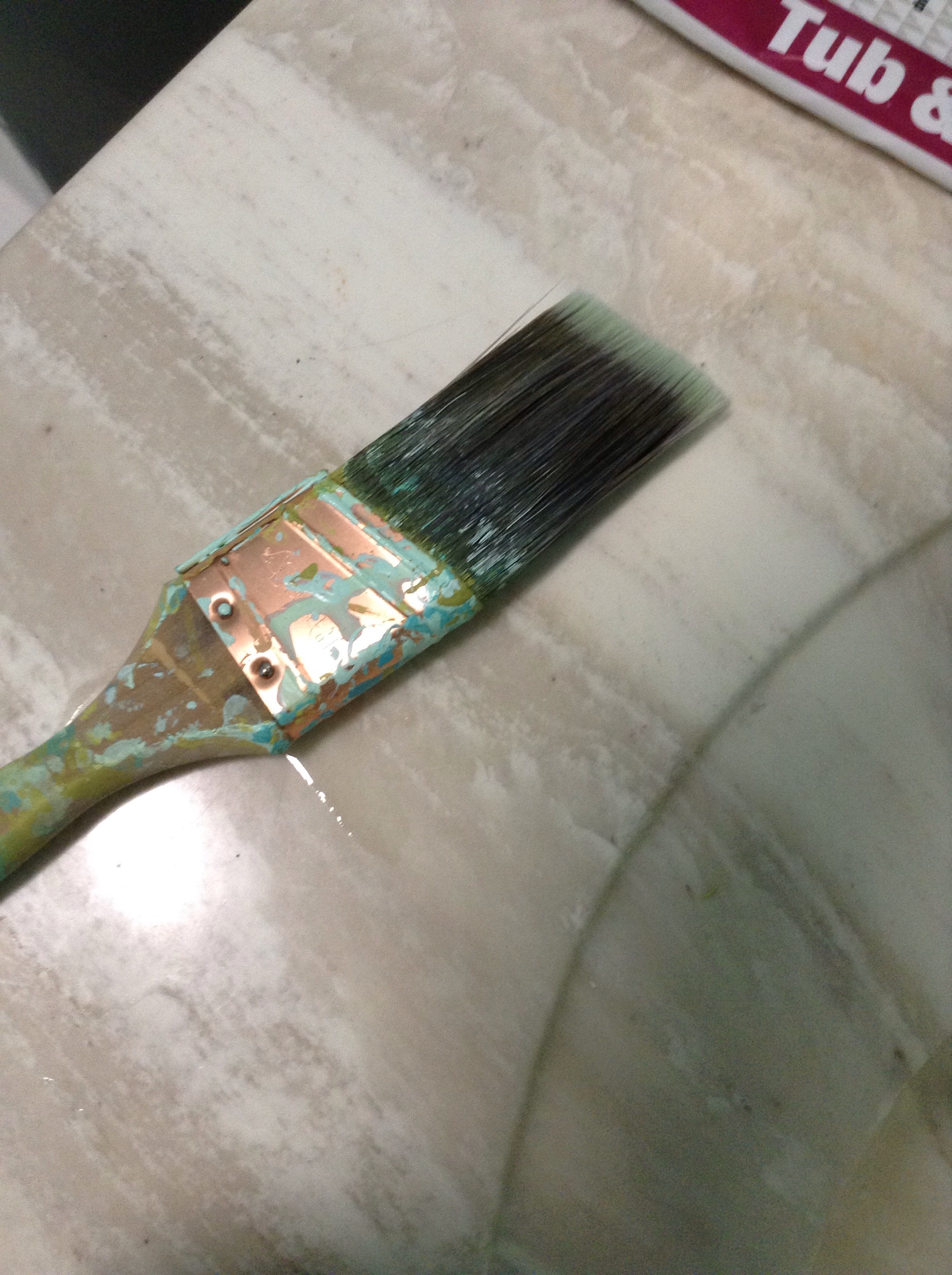
I headed back to the neighborhood hardware store and got some quality paint and the brushes that were under lock and key.  Sure enough, when I used the better tools, I had a noticeable improvement.  

Me being the constant thinker realized that this is the same for farmers.  They want the good stuff.  If they go for the cheap stuff, it won’t have a good result.  Farmers choose the best seeds that have been tested and have the desired traits.  This helps to ensure a desired result.  Even gardeners pick up fresh seeds every season!  Even organic farmers have seed catalogs to select the best seed types available.

While the anti-GMO movement continues to unfold here in Hawaii as a fake “grassroots” campaign, the industry funded right to know continues to put political pressure at the federal level.  The developing world is watching what’s happening here and holds the potential tools from the small farmer.  In a world where the majority derives income from agriculture, we are quick to deny them access to improved seeds.  We don’t even allow them the chance to ensure food security to begin with.  It’s cruel to do this.  

In order for me to have the best result, I need access to the best tools and best inputs.  It saves a lot of time and the result is ensured.  The politics can’t be the deciding factor of access to good tools, the research and evidence must lead the way.  

Don’t let the rest of the world have a shoddy painted home.  Let them decide for themselves how to color their homes and support access to those good tools to do it.  
Where’s the Farm Justice Summit?

Where’s the Farm Justice Summit?

  
Let’s talk farming.  Real farming, not those 2 acres of various things you’re growing on a gentleman’s “farm.”  This farm is one that will earn you a living for years to come and hopefully allow you feed your family, put them through school, keep a roof over your head, and help you to retire.

What will you need to farm? Land. Lots of it to produce enough income to pay for the inputs you need.  Let’s say a decent family farm in Hawaii like ours leases some 30 acres.  That costs some couple thousand a month in lease payments depending on where it is or if you purchased it, at least another $3000 a month.  

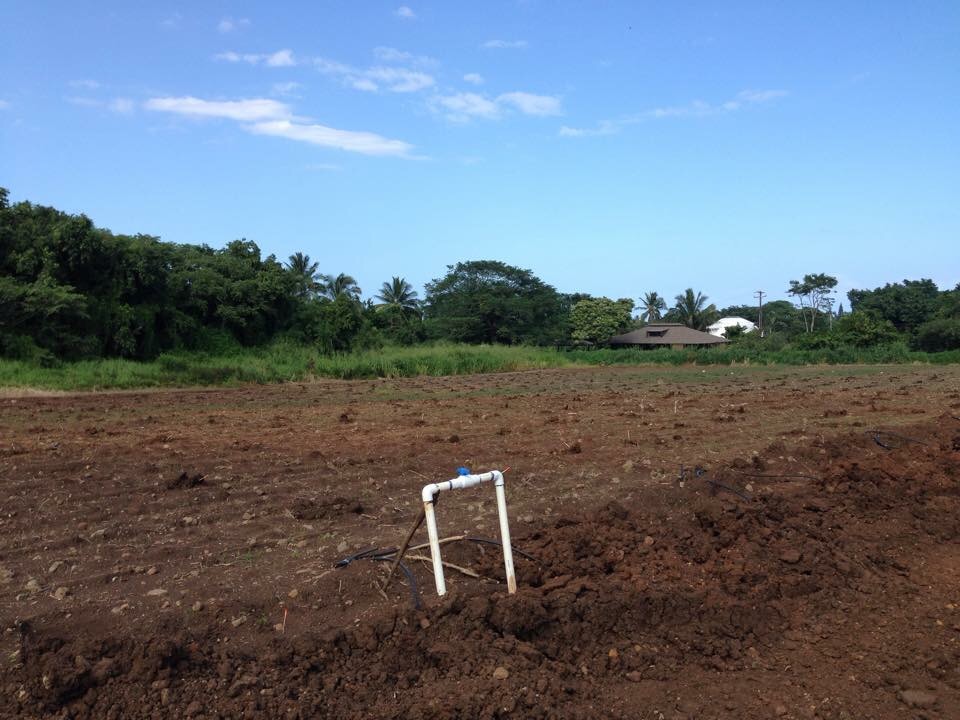
Once you have that land to farm, you’ll need the infrastructure set up to grow your crop.  You’ll need pipes and irrigation lines and sprinklers here and there to cover those thirty acres.  Add at least $5000 for those things and add another several thousand for the labor to put that all in too.  

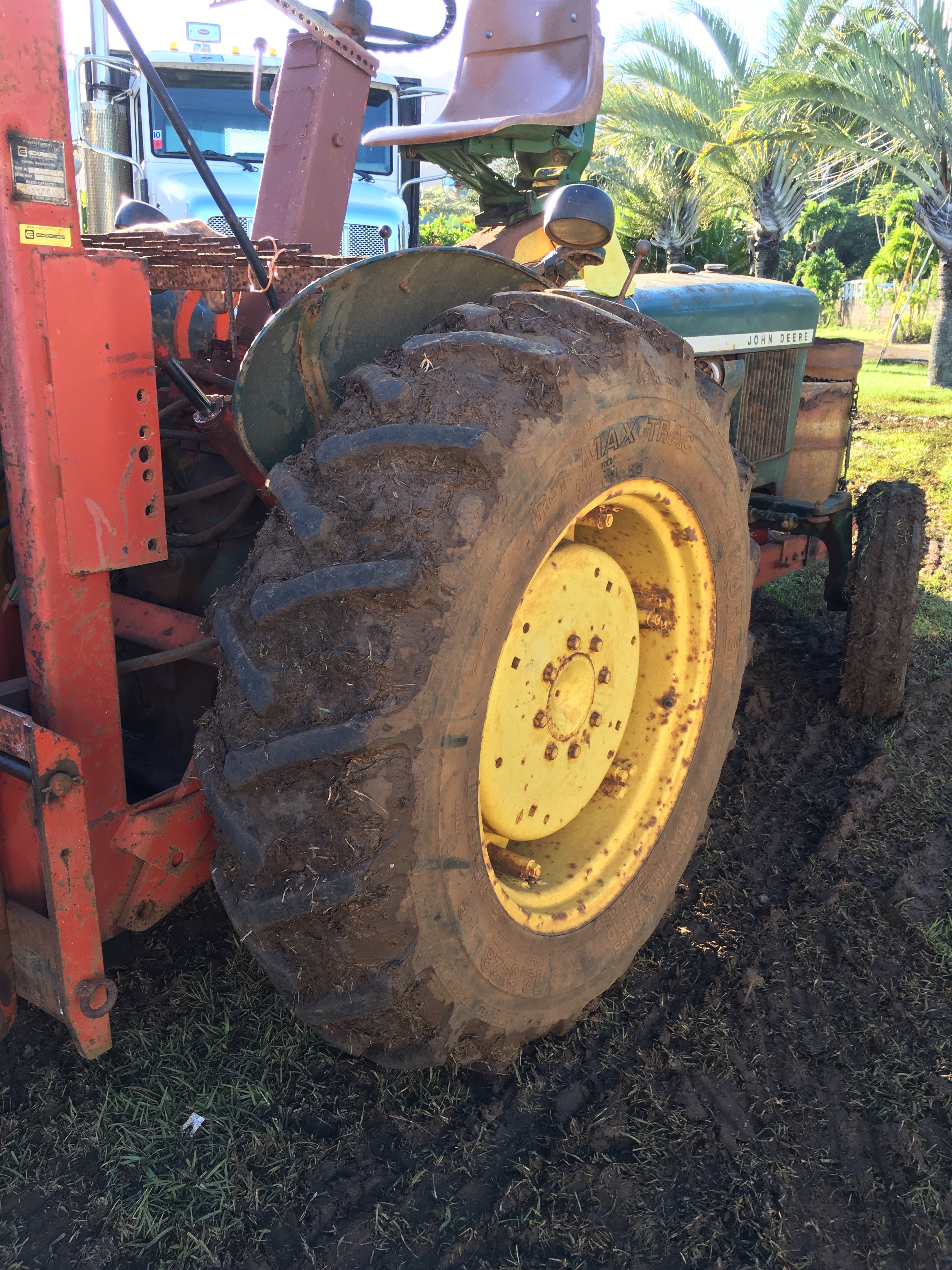
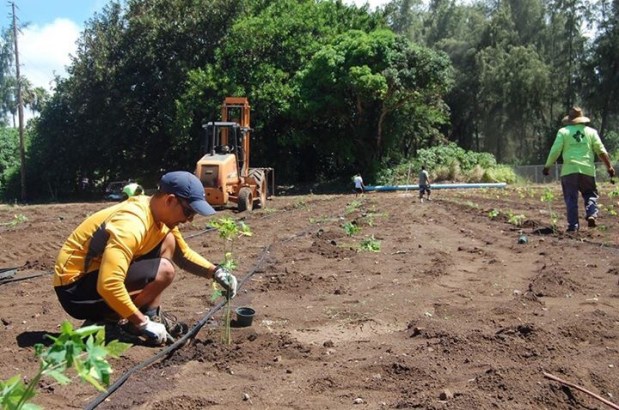
After you’ve got your field set up, it’s time to plant it.  You’ll need a tractor to plow your field.  A decent one will cost you at least $40k.  A plowed field also needs plants that have to be sheltered in a greenhouse to get to a decent size to survive.  A greenhouse is another several thousand dollars to build with the parts and labor.  The seedlings need medium and planting trays to start also.  Add in a few more thousand dollars to the supplies and labor needed.

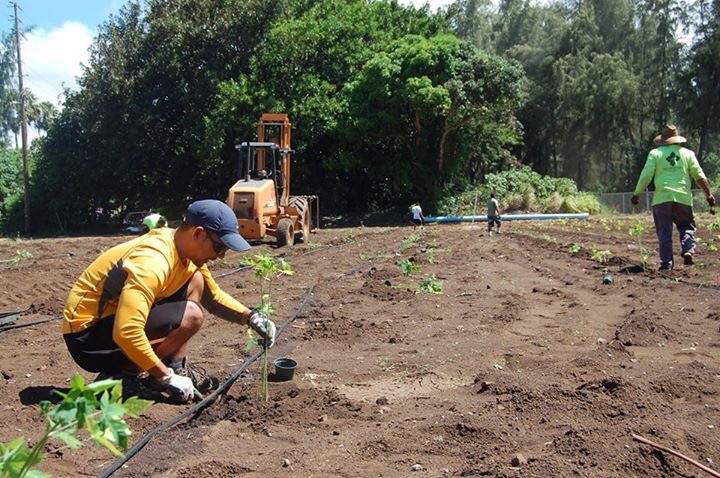
Trees don’t exactly plant themselves so there is the cost of labor to get them in the ground.  To give them a head start, a pinch of fertilizer in the holes help.  A bigger tree is more likely to survive a wild pig trampling too.  These wild creatures can tear up a field in a matter of minutes.
You will be paying on the loans or be out a lot of money for at least 4-6 months before you get a crop.  You’ve paid hundreds for labor dollars and inputs only to have to wait for the harvest.  As a business owner, you’re required by law to pay your workers and cover their benefits, but you aren’t guaranteed a salary.

When the crop is ready, you need harvesting equipment like a forklift and bins to store you’re fruit in.  Can’t forget that all of these things also must past food safety certification.  That certification cost at least $3000 to acquire and another thousand to set up the equipment needs to meet it. You will have to spend some extra money leading a portapotty to keep on your field too and hope no one steals it.

It will take several months for your trees to grow to produce fruit.  However, there still is work to be done.  Thatincludescleanung the trees of dead leaves and thinning out fruit so that you get nicely shaped ones for the market.  Odd shaped fruit can’t get premium prices.  The thinning of the fruit has to happen weekly since the flowers bloom all year round and it takes a year from flower to fruit.  You’ll also hope and pray that mites, parrots, chickens, or other elements don’t disturb or damage your columns of fruit.


There was a portapotty that was here. Someone stole it and we’re out $2500 to cover the loss of it.


You’ve waited nearly 6 months and your first crop arrives and it’s time to harvest.  After you’ve picked your fruit, you’ll have to prepare it for market, which means washing and packing it.  Someone has to build the processing plant for this to happen.  It’s not free and will cost you around $8,000 for the time, labor, and supplies.

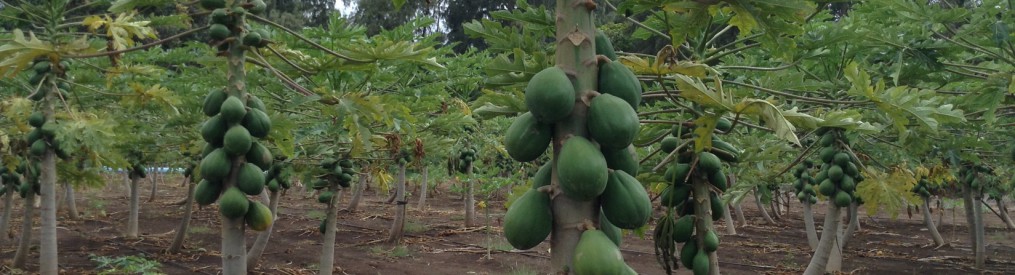
Let’s not forget that the papayas do have to be packed into something to get to the market.  Those boxes cost about $2 a box and minimum orders are several thousand.  In a week, one can harvest at least 200 plus cases.  A good order of boxes will put you out $15,000 or so.  You can’t reuse them either because of food safety regulations, so that increases your cost too.

Recall that you haven’t even sold your crop yet at this point.  You still have to pay your workers’ wages, work man’s comp, benefits, and other bills you’ve gotten just to start off your farm.  

I don’t know of a single local person that can be out some $225,000 to start their business.  It’s not even guaranteed that you’ll get a return on investment either.  If activists ban ag technology or crop protection products without a validated reason other than Google, or a flock or invasive birds nibble at your crops, you are still obligated to pay back what you owe.  With nothing to sell, you’re bleeding more money.  No one wants to dig a deeper hole!  

While hundreds will meet to plot the demise of corporate agriculture this weekend, the small farmers in Hawaii are still saddened by the ceasing of the Maui sugar plantation and Richard Ha’s beloved Hamakua Springs Farm.  The ag community knows that so many other long time local farmers face the same challenges in Hawaii.  The ag sector has been attacked and our state’s bad reputation for being small business friendly doesn’t bode well for that pretty word circulating but never put into real policy to take it to action.  That word is sustainability.

It’s great that there’s so much talk about it but it’s clear that we aren’t practicing what we preach.  We say buy local but then put policies that impede locals from producing products made here.  We need to look at the larger picture about why business are closing and the local folks are jobless.  Where’s the investment to keep the kamaaina working and productive?  Are we supporting those policies and putting it into action?

Let’s face it.  There’s few folks willing to put down some $250K on a risky back breaking business venture like farming.  It’s easy to TALK diversified ag as the savior to keep ag lands in ag, but unless we get some systemic changes on the business and political environment, you won’t see it happening in a flash.  There’s no massive populace raising their hands to be farmers.

This weekend is the Food Justice Summit but it needs to change its name to the Farmer Justice Summit.  More people need to learn from the local farmers still in business now rather than international speakers who know nothing about Hawaii other than Monsanto’s presence.  Don’t forget that without local farmers, you can’t have locally grown food.

Support the local farmers with your wallet as well as your voice for better policies to sustain them for the future.


They Came With Hope

  
As a kid, I remember growing up in Laie and seeing the long stalks of sugar cane growing in clumps here and there.  My dad would take his machete and chop one down with a single swipe.  He’d pull off the blade like leaves and then take his pocket knife and whittle off the the hard skin of the stalk. What was left was a juicy core that he’d cut into sticks.  He would place one in his mouth and chew it to show us kids how to get the sweet juices from it.  

I had great memories of these days of spending time with him on the farm and learning about my family’s history that was started in the sugar plantations on the Big Island.  Those plantations are gone but the life lessons taught there live on in me.  

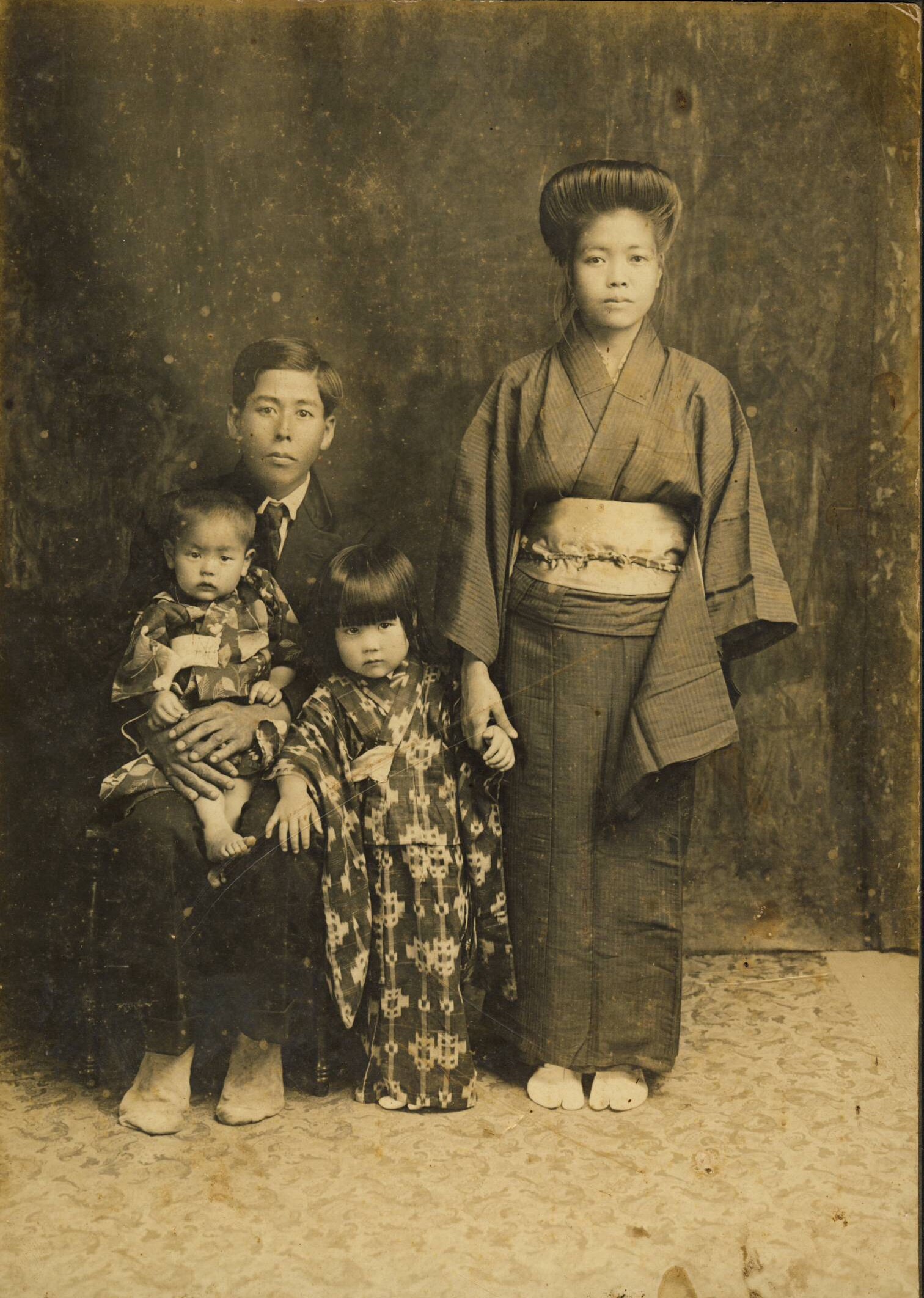
My great grandparents came to Hawaii with nothing but hope.  They chose to leave the comforts of Okinawa, Japan, and China to find a better life.  It was not only a better life for themselves but a better life for their families.  Many of us locals share this same story. 

I don’t know whether or not I want to cry or scream today.  I’m mad and sad at the same time.  With the news that HC&S ceasing its sugar cane harvests by the end 2016 and Richard Ha ending his banana farm, my heart is broken.  Agriculture was the basis of Hawaii and two long time farms are going to be but a memory.

Hawaii’s beauty has been sold to millions around the world.  So many people come here and fall in love with our home, our place where hope and opportunity existed.  These folks have decided to make this their home and have no ties to the small kid time memories the local people share.

The plantation is where many people learned the value of working together and sharing each other’s culture.  It’s of no surprise that so many locals are of mixed ancestry as a result of this unique melting pot.  Hawaii is a great example of how different people from all of the world came together and created their own culture.

People from all over continue to come to our islands but don’t share that roots that we know and love.  The sad thing is that they become so caught up with the beauty of our land and forget about the story of the people who lived here.  Their stories and lives are forgotten and unappreciated.

I know my roots and where I came from.  It is this story that guides my life and keeps me on a track to perpetuate these lessons in my children.  I sometimes wonder if this new everything aina movement is yet a new culture of people who have taken these terms too literally or have forgotten their family stories.  They find comraderie among each other at every protest but really have no guiding principles or real vision other than malama the aina.  Once the aina is abandoned by the perceived evil, what is the thing they give back to replace it?

Sadly, when one’s roots don’t run deep or a story is forgotten, thinking about the consequences of their actions is secondary.  When tractors are set ablaze and property is damaged, none of these people ever condemn these actions.  It’s simply ignore and never mentioned.  When jobs are lost, there is no shred of compassion in their heart so.  This is not local style at all.  

There is no responsibility taken by the leadership of this movement either.  That example sets a bad precedent for the followers that it’s not their fault for contributing to these actions.  An attitude of irresponsibility puts us all in danger if there is no consideration of others.  There also is a clear lacking of collaboration being fostered in the community.

There’s so much talk about sustainability in Hawaii yet there is no action to actually show it.  We cannot last as an island state when fear and a lack of accountability becomes acceptable behavior.  Fearing education and calling science propaganda is another sign of a society losing its vision.  We can’t survive if the loudest, most misinformed people dictate poor policy and takes away the jobs that feed and house families.  There’s too much taking happening and no one looking out for our local families.  

Hawaii knows what’s best for its people and its those voices heard.  Not the Ashley Lukens from Tennesee or the Nomi Carmona’s from California.  They don’t know the roots of the local people or appreciate our heritage.  They are mainlanders out to take away livelihoods and make our local people leave the islands in hope for a better life.  Hawaii isn’t the paradise for locals but a tired, draining, living hell without a job to feed a family and keep a roof over their heads.  We need hope and a vision.

Instead of aloha aina, how about aloha for the kamaaina?  

The Biggest Threat to Hawaii Agriculture: Silencing their Voices

The Biggest Threat to Hawaii Agriculture: Silencing their Voices

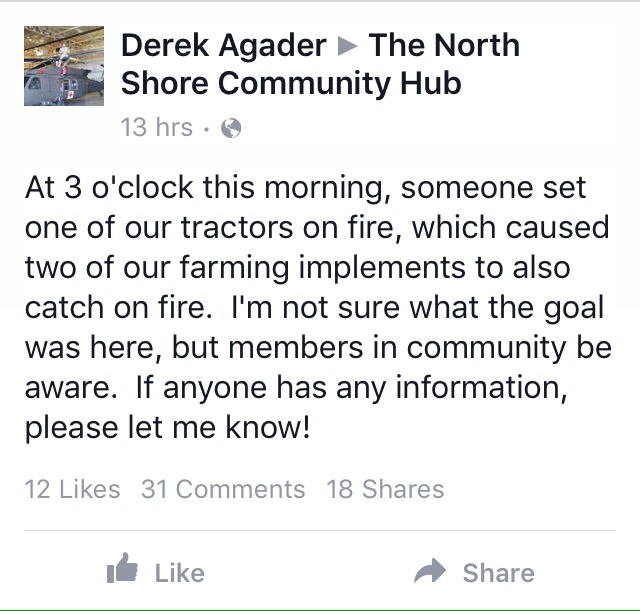
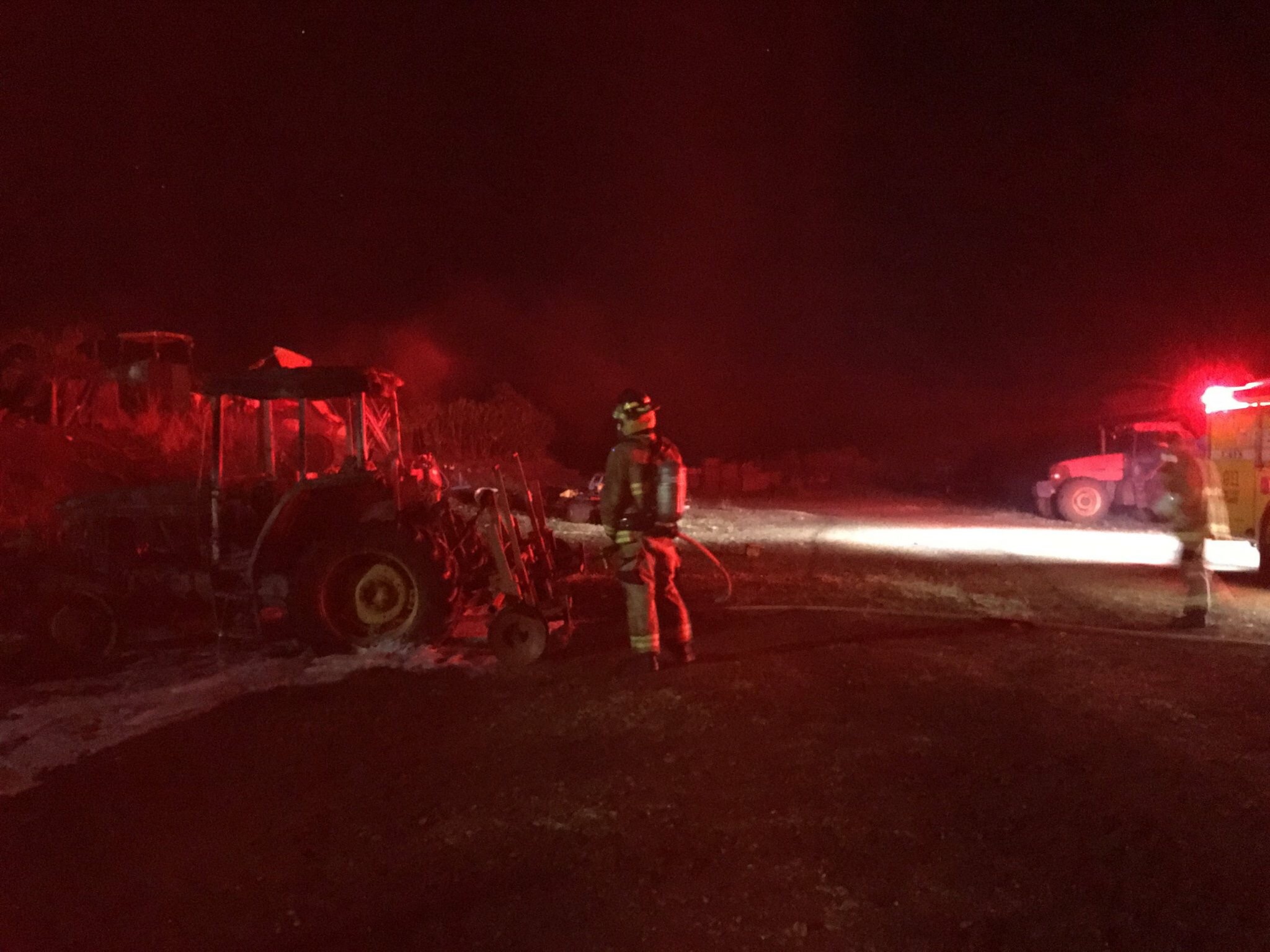
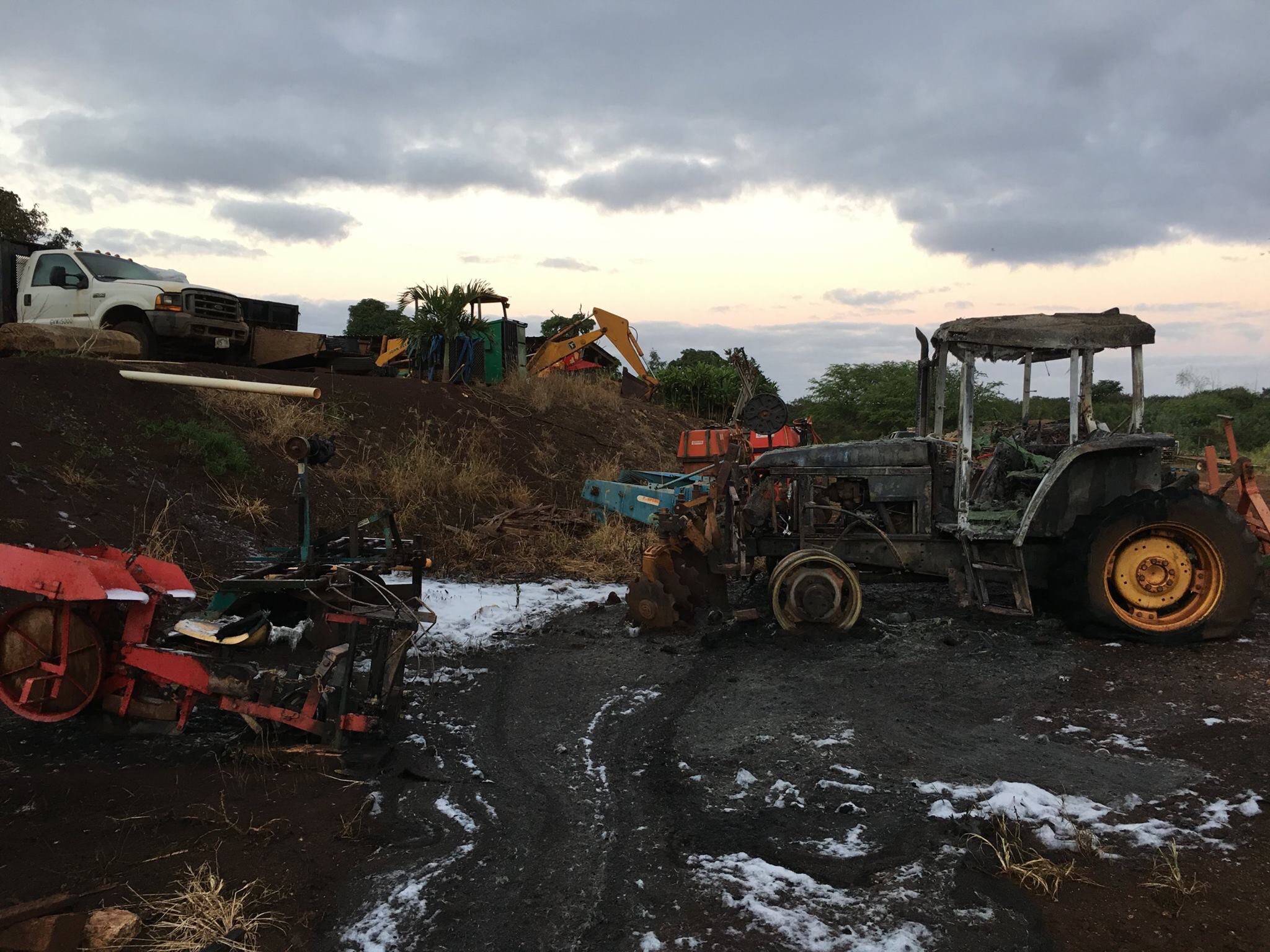
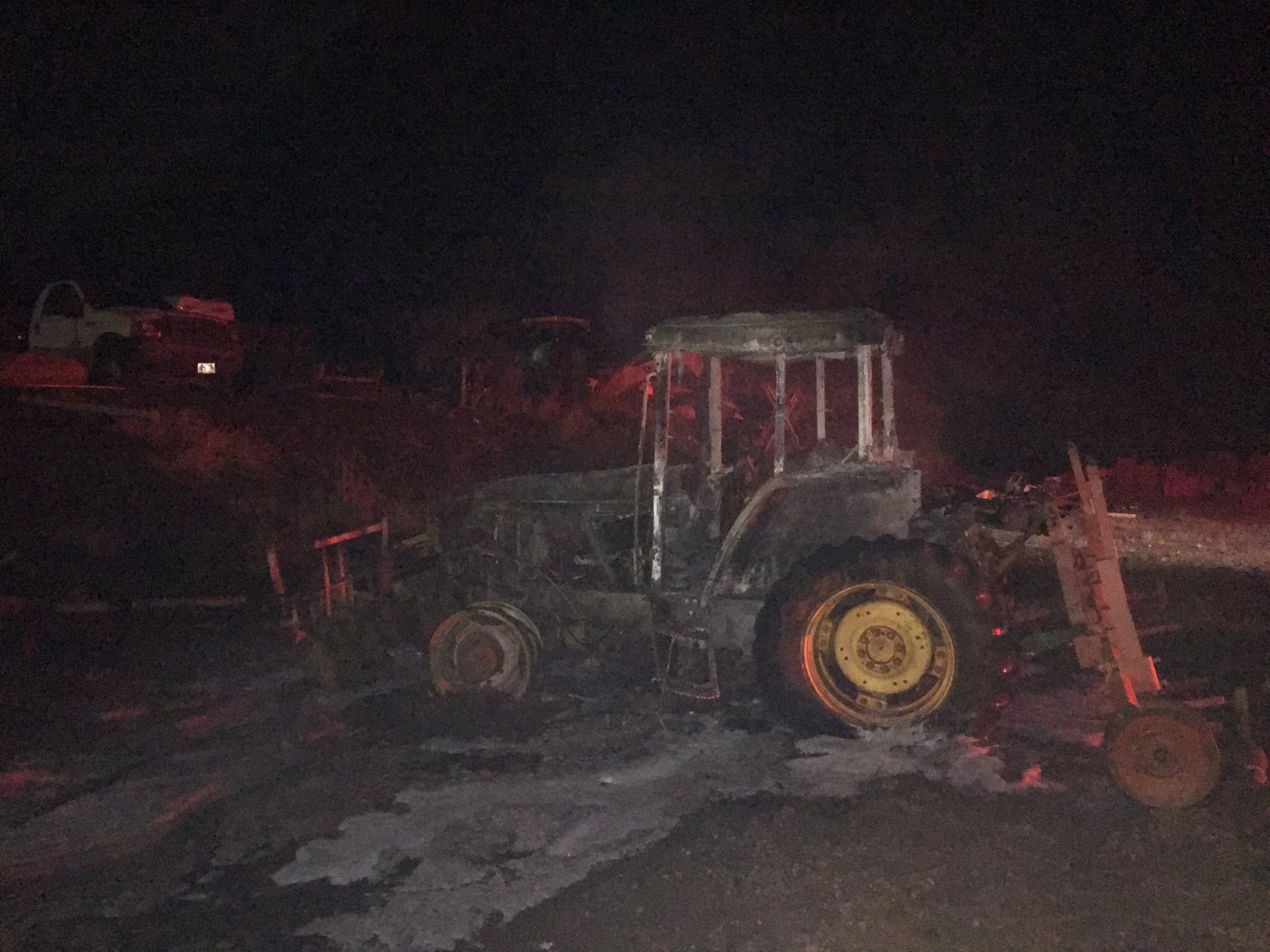
So this happened the day before New Year to a local farmer on the North Shore.


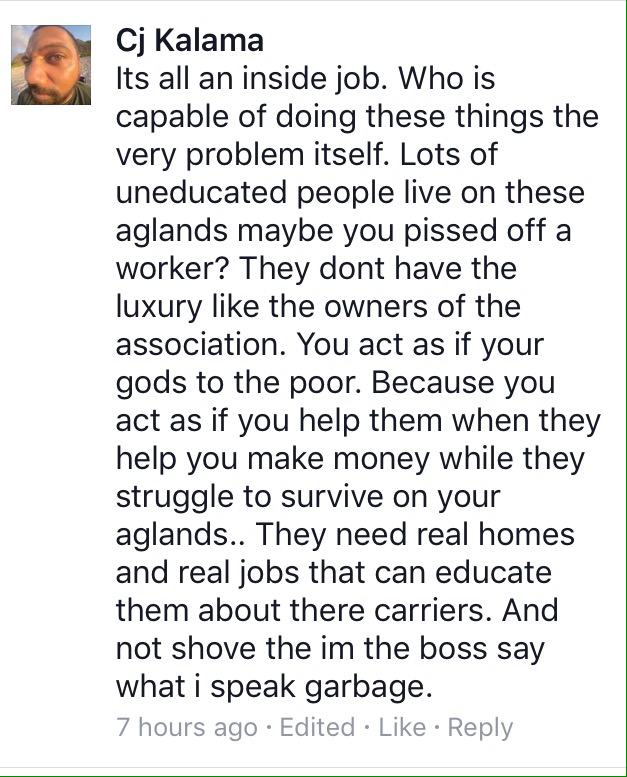
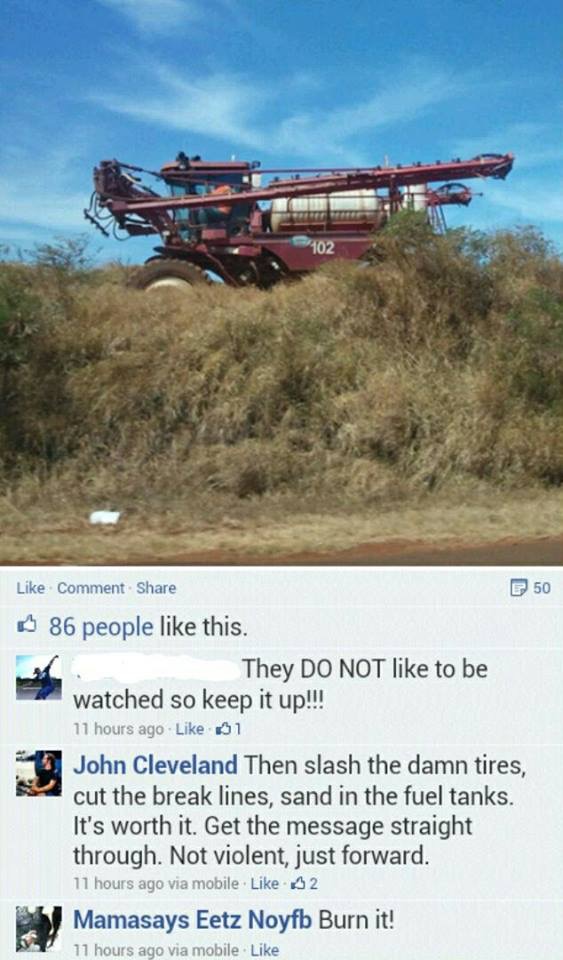
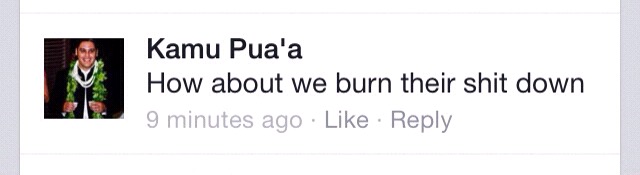
Yes, someone decided to set fire to this farmer’s equipment.  What’s even worse is some of the comments that got posted.

This is extremely disturbing to see small farmers being subject to accusations like this.  It’s even more questionable when this farmer is new to speaking up for agriculture on the social media in this group.  The timing of this fire and him speaking up is a little too coincidental.  The fact that these commenters can’t recognize what’s clearly wrong from right is downright scary.

You won’t see the sources of misinformation condemning this action either.  They simply act as if nothing is happening.  This was evident with the unfolding of Bill 2491 saga when vandalism against the farms were being fueled by activists.

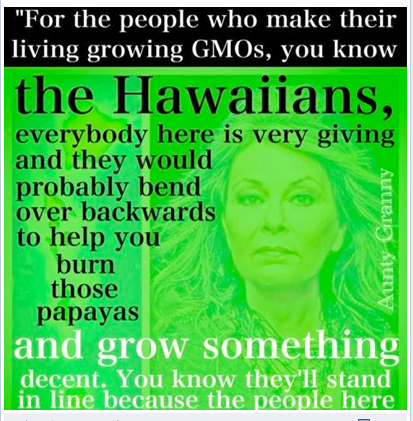
Even Roseanne Barr wanted in on the action thanks to Babes Against Biotech’s Nomi Carmona touting crop destruction.

So should we be surprised that their followers are so angry and fearful to even learn?  They can’t even take the time to learn from their local farmers and continue to harm their reputations online if one should try to speak publicly.  Then they point fingers at those who disagrees with them as bullies.

The likes of Ashley Lukens of the Center for Food Safety and Kauai County Council member, Gary Hooser, will never come out and condemn any of this kind of behaviors either.  It’s simply ignored.  It can’t be ignored anymore if it threatens that 1.8% of folks who grow Hawaii.  Anyone who supports people like this clearly have no aloha and is the biggest threat to Hawaii’s farmers and worst than any nanograms of detected pesticides they complain about.

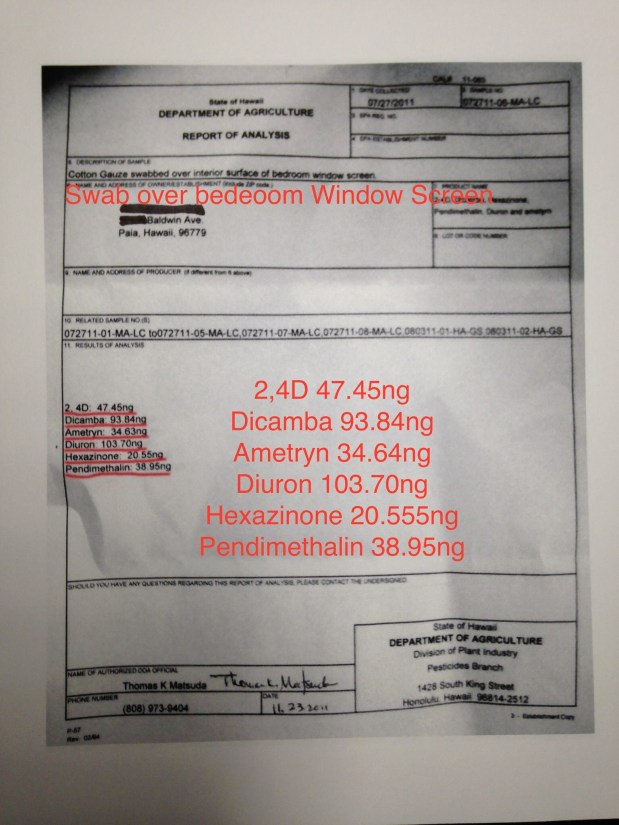
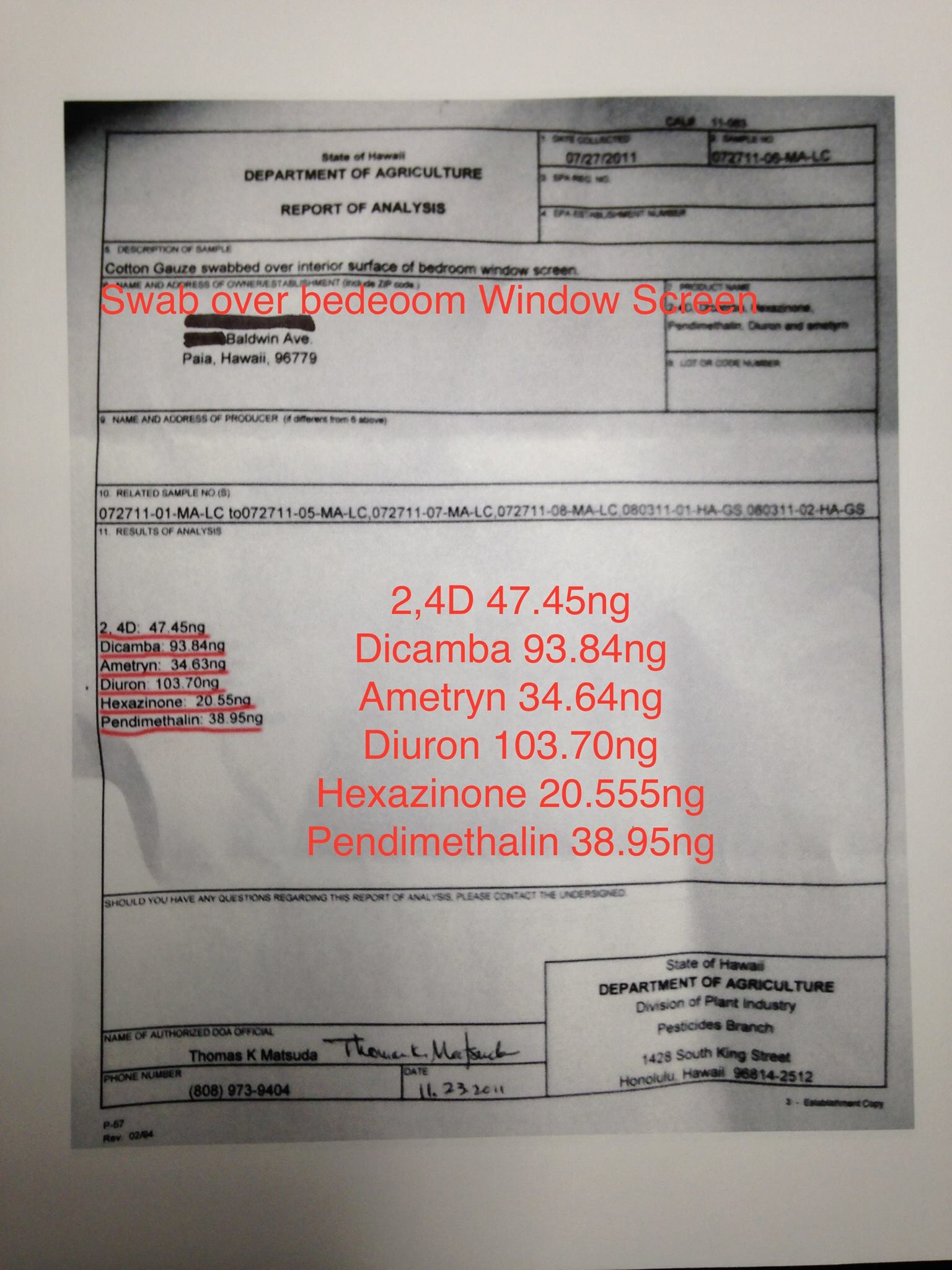
Here’s another clue as to why people are so afraid of pesticides but really could learn more about the amounts detected.

If ones does a little bit of math and some study of toxicology, it isn’t as scary as it looks.  Let me explain  it with a bit of math and some data available.

So, 2,4-D was detected on a window screen at a level of 47.45 nanograms.  Toxicity is measured by LD50, which means a lethal dose where 50% of the test population is killed.  The LD50 of mice is 375 milligrams/kg of body weight.  That equates to 375,000,000 nanograms to be acutely toxic to mice.  If you have a hard time with metric conversions, there are great calculators to help you calculate this.

If you simply divide that number by the detected amount, you’ll get a figure of 8,247,195.95.  So what does that mean?  It really means that you’ll need nearly 8.2 million times of that detected level to kill a mouse.  That can also explain why there isn’t masses of dead mice or rats found around farms after an application of crop protection products.  But remember here, that’s the dosage to be toxic to a tiny mouse and not a human that is thousands of times larger.

Let’s figure out the toxicity of the other products on that list.

Dicamba was detected at 93.84 nanograms.  The LD50 for this is 1190 milligrams/kilogram of body weight in mice.  That means it takes 1,190,000,000 nanograms to be deadly to a mouse.  It would take 12,684,159.4 times that detected amount to be toxic to a rodent.

So let’s go through the entire list to really determine the toxicity of these products to mice.

Ametryn has an LD50 of 975 milligrams/kilogram of body weight for mice.  It would take 27,280,600.5 times that amount to be harmful to a mouse.

What about the levels of other products? Diuron would need some 32,786,855.2 times the detected amount to kill a rat with an LD50 of 3400 milligrams/kilogram of body weight.  Hexazinone would need some 32,76,885 times that amount to be lethal to a rat.  Pendimethalin has LD50 of greater than 5000 milligrams/ kilogram of body weight for rats.  It would take some 128,369,785 times that amount to be deadly to a rat.

So considering the levels and the measures needed to be harmful to a rat or mouse, to us it’s a different story when put into perspective.  Some people will say that these measures only reflect acute toxicity, which is true.  However, when you look up some of these crop protection products, there is chronic toxicity tests done with animals and most of it turns to be in the milligrams not the minuscule nanograms.

I do have to be thankful for the brave anti-GMO folks that try to spam up pro-science Facebook pages.  They love to post all kinds of things from unsourced memes repeating all of the common mantras but every once in awhile they post a good one that shows the source of their fears.

The great thing about this Department of Agriculture report is that it’s all hard data on there.  One can’t call the nanogram found on there as “propaganda.”  It’s simply data that is measured and clearly shows the truth that is easily skewed by clever politicians who don’t educate or encourage learning.

2016 should be a year of learning in Hawaii.  People need to learn about what they fear and ask questions.  If we don’t start encouraging others to learn, we will lose more aloha and our farmers will be subjected to fearful, angry people like these.

It’s time to learn science.  If our politicians are true leaders, they will support the data and evidence instead of allowing these voices to be used to direct policy.  They will also take responsibility for their actions and all the consequences.  Unfortunately, as we are seeing, these people won’t take such steps.

The real danger isn’t biotech or crop protection products.  It’s the leaders and their followers who steal the aloha spirit from our islands.


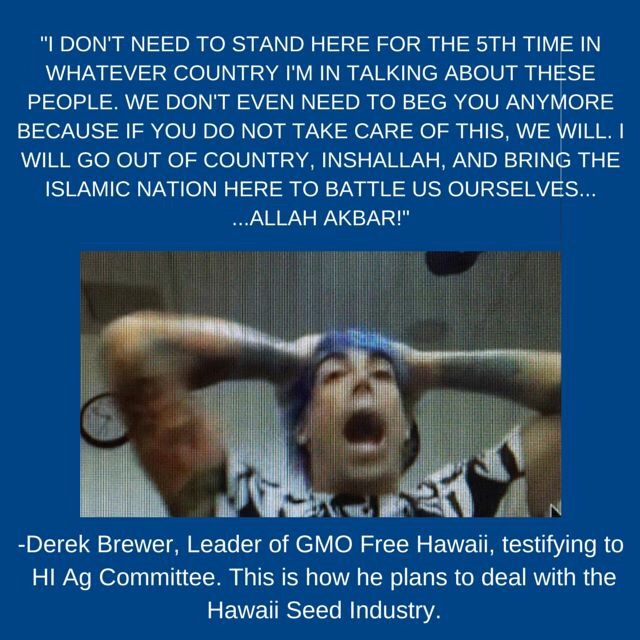
Testimony from the pesticide buffer zone bill proposed by Ashley Luken’s group, the Center for Food Safety.


Wear Someone’s Shoes

Now that I’m home, I’ve noticed all the Christmas music being played on the radio.  One of my favorites is this song:

As an occupational therapist, we are trained on empathy for others.  We go through simulations of what it is like to have a disability.  Sometimes it means spending a day in a wheelchair or using crutches.  Other times it may mean wearing Vaseline covered glasses and stuffing one’s ears with cotton balls to simulate a vision and hearing impairment.  For students, this is temporary and silly in many ways.  We easily forget what it’s like to be permanently affected by these deficits.

As I listen to the song, “The War is Over,” I am reminded of the feelings of compassion and love that the holidays emphasize.  While many holiday songs remind of us of this special times, I have to reflect on whether we are actually living big those emotions in action.

Many of us are thinking about the holidays with shopping and activities, the world news reminds me of the grim reality that others in the world face.  They aren’t as lucky as us.  Some face nothing to eat or no roof over their head.  Young children are living in fear and confusion because of factors beyond their control.  What kind of lasting impact will this have on them?

The research already shows that long term stress on parents and children can have a negative impact on them.  What kind of adults will they become if life has treated these innocent children so poorly? If they have no hope, what can they aspire to become when the world has treated them with discrimination that they don’t even understand?

If I were in the shoes of a Syrian mom, I’d be pleading for compassion for my children.  We all want the best for our children regardless of where we are in this world.  I am deeply saddened by the reactionary social media commentary coming from “leaders” of our land.  The amount of shortsighted thinking about this issue is disheartening.

We all want a world of peace so that our children will avoid facing wars but the knee jerk political decisions being made can be leading us to future battles.  Taking away technology for feeding a growing population can contribute to instability and unrest.  Denying children access to nutritious food can limit their ability to meet their highest functioning capacity to be productive citizens.  Allowing families to be in constant danger and living in fear can create future problems with growing up in an insecure environment.  Are we fostering peace by the stand we are taking or are we further jeopardizing our own future?

The social media encourages quick, impulsive decisions, however, our lives can’t be sustained with constant reactionary stances.  We have to think about the future and the lasting impact what we are asking for entails.  Our children are long term investments of hope for a better future.  What about the children of the world? Don’t they deserve the same?

When your humming those Christmas songs in your car, start listening to the lyrics and ask yourself if you’re living the words you sing.  I want a world of compassion and empathy for others as well as my children.  Isn’t that what we all deserve?

Everyone Gets A Trophy

I come from the generation where one had to learn how to take criticism and feedback in order to become better.  If one didn’t make the cut, it meant working harder to get more skilled or attaining more education. My success was dependent upon what I put into the effort.  If I failed, it was my fault for not persevering.  

In this day and age, it seems that those lessons are gone. It’s not about working hard to attain a goal. It’s been said many times that the millenials are behind the anti-GMO movement.  This is the same generation that wants their bosses to give them everything in their workplace and that the work has to fit to their standards.  It’s not about giving it your best shot either or taking the initiative to do something more than what’s ask.  Do only what you must and that’s it is the attitude.

A friend of mine, who is a millenial herself, even recognizes this attitude shift.  She aptly calls it the “everyone gets a trophy” mentality.  It doesn’t matter what you do or how hard you try, you’ll get something.  Then no one should ever face criticism either because feelings will be hurt.

  
This was a feedback form given at the Waimea Center for Food Safety’s Pesticides in Paradise “educational” meeting a few weeks ago.  If you read the rating criteria, there is clearly no room to give critical feedback of Ms. Lukens’ presentation.  It’s almost laughable that the scale is clearly not made accordingly to social science ratings and is at the extreme end of the spectrum.  Essential the rating scale goes from you’re good to you’re super good.  

What does this mean? You have to completely buy their cherry picked “data” and mounds of “information” without any critical assessment of it.  There is no room for questioning what radical environmental groups tout.  That’s why to them, it’s their way or no way and no potential for working together ever.  

Should we be surprised that Lukens dusted herself off after facing over a hundred Molokai farm workers questioning her “facts?” She couldn’t back her allegations of farms poisoning children so instead of coming clean about the truth, she turns to a new tactic of manipulating people at a children’s hospital with her ideologues.  There is no thought about what is decent behavior which is clear when these groups never call for people to stop calling for crop destruction or vandalism.  I’m starting to think that they cannot see bad behavior and that increases the potential for more bad behavior.  She decries that others are wreckless in their work, yet her full time job promotes disinforming the public about biotechnology and pesticides.   

That’s not how we did things during our small kid time.  Nor is it how communities can thrive with the toxicity that the Center for Food Safety creates across our state.  Finger pointing without evidence at school is called bullying and frowned upon.  However, it’s tolerated and even celebrated by radicals.  I would never encourage my child to ignore bad behavior as that shows acceptance of it.  This is how they want our communities to remain and it’s sad.  Of course, the CFS doesn’t live here so they have little investment in what happens to our islands.  They are almost like a migratory pest that goes from place to place bringing destruction for a short term gain and then leave the place decimated.

Many people don’t understand why I speak out against these attacks against the biotech communities.  I don’t defend them but I defend the tools that they use as my dad’s farm uses it too.  If these activists can take away access from large companies, it’s quite plausible that they will take away the small farmer’s access.  Remember that Earthjustice and the CFS said they weren’t going attack small farmers yet they are intervenors on the Big Island GMO ban being appealed in court.  

The large companies have the financial backing to weather through this but for the long time Hawaii farmer, they stand to take our life that we get from the land. 

The life of the land is in the people. We can’t ever forget that.  Those who are paid to divide communities are finding that they are not going be given a trophy by the local folks.  

The Culture That We Are Not

  Being that it was Halloween tonight, it’s a customary thing for my kids to go trick or treating.  It’s a little different this year since we aren’t at home and are still in Ithaca, New York, while I finish up my Alliance for Science fellowship.

One thing I always teach my kids to be grateful to people who give you a treat, no matter what it is.  The routine was pretty much the same as it is at home but about 40 degrees colder.  It was nice to see so many neighbors passing treats to children big and small.  Many of the elderly neighbor’s sat outside on their porches with their walkers and oxygen tanks too.

After we had visited several homes, we came upon one that had its porch light on so my kids walked up to the door.  A very tall man came out and dropped a candy in my younger daughter’s treat bag then stopped when he saw my eldest.  She told him oh so politely,  “Trick or treat!” 

He stopped for a second and said he couldn’t hear her.  She repeated herself and he asked her to yell it out.  My daughter, being half Asian and half Caucasian, acts very Asian with a meek personality.  He didn’t get why she wouldn’t just yell it at him.

I’ve always taught her to carry herself politely, especially around adults.  Asking her to yell something isn’t in her personality to do.  She was literally stunned that she was being told to yell and shout at an adult.  She absolutely could not do it.

The man started waving his hands in front of her face mocking her for being stunned by his request.  She was in disbelief.  He shouted out, “Who’s responsible for this one?”

I replied that I was and he then lectured me to teach her to yell when told to by an adult.  I jokingly said, “Yeah, sure.” Inside my mind, I too was in disbelief.

This man really has no clue or understanding that some people aren’t raised to be like the way he wanted my daughter to be.  It’s in my upbringing that we are respectful and don’t shout at others even when asked.  It’s just not in us to be like that.  The man clearly doesn’t understand my daughter’s upbringing.

That incident tonight made me realize that this what’s happening in Hawaii.  A lot of mainland transplants come to our state thinking they know our culture but really don’t.  They are yelling at policy makers to make laws against the local folks.  

They mock us locals as having “plantation mentality” as if it’s a bad thing to have our roots in that era.  These folks haven lived those beloved “small kid time” days that many of us reminisce fondly about.

Like the man telling my daughter to yell at him, our policy makers are asking the locals to do the same thing and we are struggling with doing that.  It’s hard for us to find it in us to take this leap but we are trying.

Despite the man literally shocking my daughter, he dropped a treat in her bag.  As she thanked him, he shouted out to me and the others a very disturbing statement.  He yelled out jokingly, “If I was 50 years younger, I’d ask her to marry me!”

Happy Halloween.  The world is full of people hiding behind masks offering a treat but really it’s one about deceit.

What Happened to We Are the World Kind of Thinking?

What Happened to We Are the World Kind of Thinking?

I remember as a kid this song that really touched me.  To see so many stars get together for a single cause to end suffering was truly moving.  I have to stop and ask myself, what happened to that feeling of compassion for others? Have we forgotten to think about our fellow human being worlds away from us?

Maybe it’s because the millennials behind the anti-GMO movement didn’t know this song or many of the stars who came together to support this cause.  Maybe it’s because they weren’t seeing images of suffering on TV very much.  Maybe they are too focused on themselves and what they eat that they can’t possibly see anyone else’s needs.  Maybe they weren’t taught to think of others after their needs were met.  Maybe they have never know the trials and tribulations with growing up on a farm.

I grew up in a time where I had very little and when there was a little bit of ability to treat ourselves, it really was a treat.  I wasn’t made to feel guilty that I had to eat spam and rice with canned corn.  I didn’t care if my clothes were sewn by my mom or secondhand from my cousins.  I didn’t have brand new books to read because we just couldn’t afford it.  I learned how to appreciate the things I had.  I was also taught to give to others if we had extra.  That’s the life lesson learned on the farm.

We saved the junky, ugly fruits for ourselves while the customers received the most beautiful ones.  If we had other produce like corn or cucumbers grown, we’d cut up all the bug eaten stuff and save the good parts for our dinner.  We weren’t worried about how it looked or what kind of label it had.  We wanted food that didn’t cost us an arm and a leg.

What really are our priorities in this world?  Is it to remained worried about what WE are going to eat and how it’s grown and what kind of labels we demand on our food? Or is there a higher priority for us as first world citizens to consider for those in our own country and the world community who aren’t as lucky?

So what happened to the compassionate feelings of the We are the World kind of thinking in this day and age?  It’s time for us to reflect on the world we want for the present and future.

Screen Shot 2015-09-20 at 11.32.06 AM

The Anti-GMO Club is a Danger to Native Hawaiian Forests

Image from flickr

Image from flickr

The native Hawaiian forests are in danger.  The culturally significant ohia trees are dying due to a fungal disease and it’s happening very quickly and we stand to lose a very important species to our native forests. These trees are not only important to the culture but also to the forests and watersheds that it protects.  A loss of this tree will have a significant impact upon our already fragile forests and diversity of native plants.

The ohia is so important that Hawaiians even tell a story about this beautiful tree.

The legend says that one day Pele met a handsome warrior named Ohia and she asked him to marry her. Ohia, however, had already pledged his love to Lehua. Pele was furious when Ohia turned down her marriage proposal, so she turned Ohia into a twisted tree. Lehua was heartbroken, of course. The gods took pity on Lehua and decided it was an injustice to have Ohia and Lehua separated. So, they turned Lehua into a flower on the Ohia tree so that the two lovers would be forever joined together. So remember, Hawaiian folklore says that if you pluck this flower you are separating the lovers, and that day it will rain.

There is a potential tool to help save it but I have a feeling that the global anti-GMO will be hastening the demise of this tree.  We are learning that science can help trees be restored in the forests, just like the GE American chestnut may be returning to forests.  The question is, will we let this happen?

Yes, the native Hawaiian groups who decided to join the anti-GMO movement, the Center for Food Safety, the Sierra Club, Earthjustice, the Babes Against Biotech, Greenpeace, Whole Foods, Representative Tulsi Gabbard, Senator Josh Green, Representative Chris Lee, Senator Russell Rudeman, Councilmember Gary Hooser, Vandana Shiva, USRTK, and Hawaii SEED will likely be behind the loss or extinction of the ohia. Why? All of these groups and leaders reject the science that could help to rescue the Hawaiian forests.  They stand in the way of innovation that can save the native Hawaiian ohia and other plants being attacked by disease, climate change, and other factors.

These people have spread the message around the world to ban GMO technology based on unscientific claims.  They want to take away our ability be able to save our forests and native plants based in emotion and not in science and in the name of misinformation.  Yes, even the organic industry itself is behind attacking scientists who may have the expertise to improve the survival of it.  To these people, their actions show that they could care less about what the dangerous consequences they make.  There is no integrity in people and leaders of this movement who personally attack researchers, send death threats, and vandalize crops.  They are not out to save our Hawaiian forests or provide tools to do so.

Instead, they create burdensome regulation that limit the potential of any GE trees from making it back into our forests.  Will their profits and GoFundMe accounts donate to saving the ohia? No.  Instead they will tell the public that science propaganda and that biotechnology is all about Monsanto to encourage others to the reject any research or funding of preserving the forests.  I find it so hypocritical that those who love the environment destroy potential ways of doing things more environmentally friendly with less resources.  If one really loved the trees, they wouldn’t work on destroying living things that can help lessen our impact on earth.  These people are about doing attention seeking actions that do little to solve real problems.  It’s short lived and plainly not sustainable but gets them lots of press.

These so called environmentalists who care for the aina accept the science of climate change but then deny the consensus on biotech applications.  How can you love the forests and hug dying trees? When you block the technology that would save that tree or plant, there will be consequences of that choice.  What will we be left with?

So if you’re protesting GMOs and any scientific endeavors, rethink your stance and question if you truly understand what you’re protesting.  Does your protesting help to save those culturally important symbols of Hawaii or will you leave only a picture of that ohia to tell the story of it to your children?  When you walk in the native forests, will you walk among those native plants of your ancestors or will you just see dead stumps of trees because you refused to consider the possibility of using science to save them?

We have the potential to save this native species and should seek to do so for the sake of its cultural and ecological importance.  The protectors on Mauna Kea blocking the Thirty Meter Telescope need to protect the ohia now or face the loss of this precious tree.  Like the plucked flower of the ohia, we will all weep forever when that happens.

Reading recommendations:

Unearthed: Thanks to science, we may see the rebirth of the American chestnut

Anti-GMO Activists ‘ecologists’ destroy GM eucalyptus seedlings in Brazil

Drought begins to kill redwoods and other iconic trees while state’s forest fire risk rises

A Mom on a Mission for Science

My husband and I are blessed with 3 beautiful children.  I am fortunate that they are all healthy.  They do keep me very busy but I am in awe that I’m so lucky to have each and everyone of them in my life.

As I watch each of them grow up from a wee tiny infant up into a young person, I can’t help but want the very best for them.  I do everything in my power to make sure that they are healthy by feeding them well and getting them vaccinated.  I’ve used evidence based parenting in how I care for them.

I could be a regular mom who spends my time just focusing on my children and family but I choose to do more than that.  After they are all in bed, I’m reading about what’s happening around the world or in Hawaii and thinking about their future.  Will my kids be able to live here with what’s happening lately?

Several years ago when the anti-GMO issue started to surface, I realized that this is a new day and age for our local folks.  The papaya farmers and others in the agricultural communities were under full attack.  The folks that kept the lands green and productive were having their livelihoods threatened.  The once respected occupation of farming was being barraged by misinformation.  I decided to speak up on the fledgling social media outlets.  No one was speaking for our farmers and I could not stand to see these attacks continuing.

The farm I grew up on was in danger of becoming a relic of the past.  It was there in the fields where I learned life lessons about responsibility, work ethics, and the value of hard work.  These lessons were taught by my dad who learned it from his father.  As a parent, my hope was to instill this in my children too.  From my own perspective, these experiences helped me succeed in school and work.  I wanted this for my kids.

I nearly left my home state for good 10 years ago but was brought back here because of my husband’s desire to try his hand at farming and raise my daughter near family.  I fought it because I felt Hawaii was so backwards.  He convinced me to make the move and now I don’t want to leave.  I am a mom fighting for the future of my kids.

I’m disappointed with what is happening in the place I was born and raised in.  From factless protests against GMOs to the fighting of the Superferry and now the Thirty Meter Telescope, it’s clear that the vision for Hawaii is lost in the name of short sighted attention seeking activists.  They are unable to see the damage they can create for the future of Hawaii.  They deny our people from having access to cutting edge research or investment in advances that can change lives.  They don’t care about what happens tomorrow and bask in the limelight of internet fame.

There were supposedly 10,000 protesters in Waikiki several weekends ago.  They blocked traffic in a city where we have the worst traffic in the nation.  They gathered here the same week as the conservation conference and the astronomers’ convention.  Many came on planes or buses burning tons of greenhouse gasses and they spent hundreds of dollars in airfare and accomdations but none went to the people who would’ve benefitted from some sustained financial help or opportunities.

A lot of time and energy was used to organize this protest for one day but no other realistic plan put forth after that other than that day.  A day of social gathering isn’t going to change anything or accomplish the solving of real world problems.  It’s a fun brouhaha of angry protesters but that’s it.  They all go home and don’t come back until next year to be mad again.

As a mom, I want the best for my children so that they may have the brightest future possible.  I want them to be open to discovering and innovation.  I want them to remain hopeful for the future, not frustrated and disappointed that there are no opportunities.

That is why I have decided to do something huge that I feel will help make a difference in the world for my kids and hopefully others.  I’ve left the comforts of my home and took leave from my job to do something I would have never thought I’d do.  I left 2 of my daughters behind for several weeks and took the baby up with me to attend the Cornell Alliance for Science Global Fellows Leader training in Ithaca, New York. My friend and her daughter also came up with me to help make this happen.  I could have stayed home and let this opportunity pass by but I want to make a difference for my kids’ future and decided to take the leap.

Thanks to the my family and the extended ohana I have in Hawaii, I have been supported in taking on this training to have the tools at my hands to garner support for a technology and a new way of thinking of the world I want to see.  I’m here with 25 fellow leaders who share the same vision for their world too.

I have everything I need and because of my fortune, it is a duty for me to share those blessings with others.  I’m never hungry or ever have to worry about where my next meal will come.  I don’t have to worry about losing my livelihood to pests and diseases because others farm the food for me.  A significant population in the world isn’t as lucky as I am and for that reason, we can’t use misinformation and fear to continually keep others from their right to food or access to technology that can prevent suffering.

As a mom, I do not want something denied from my child if it would give him a better shot at life.  Nor should others deny any child the right to a healthy life.  I’m a mom on a mission for science and for a more compassionate world based on the truth.

I also want to see the people of Hawaii have better opportunities in the future.  My grandma lived with dementia for the last decade of her life.  It was very painful to see her decline.  If we as citizens support science and innovation, maybe research projects may come to Hawaii that can help address this issue.  Our residents can have access to life changing research and innovations.  If we don’t speak up for evidence based policies and stances, we face a stagnant status.

I’ve joined the Cornell Alliance for Science to help me become an advocate for Hawaii farmers’ access to technology and help other global farmers have that access too.  It’s for the future that we must invest in.  Will you join me in supporting science for a better future?