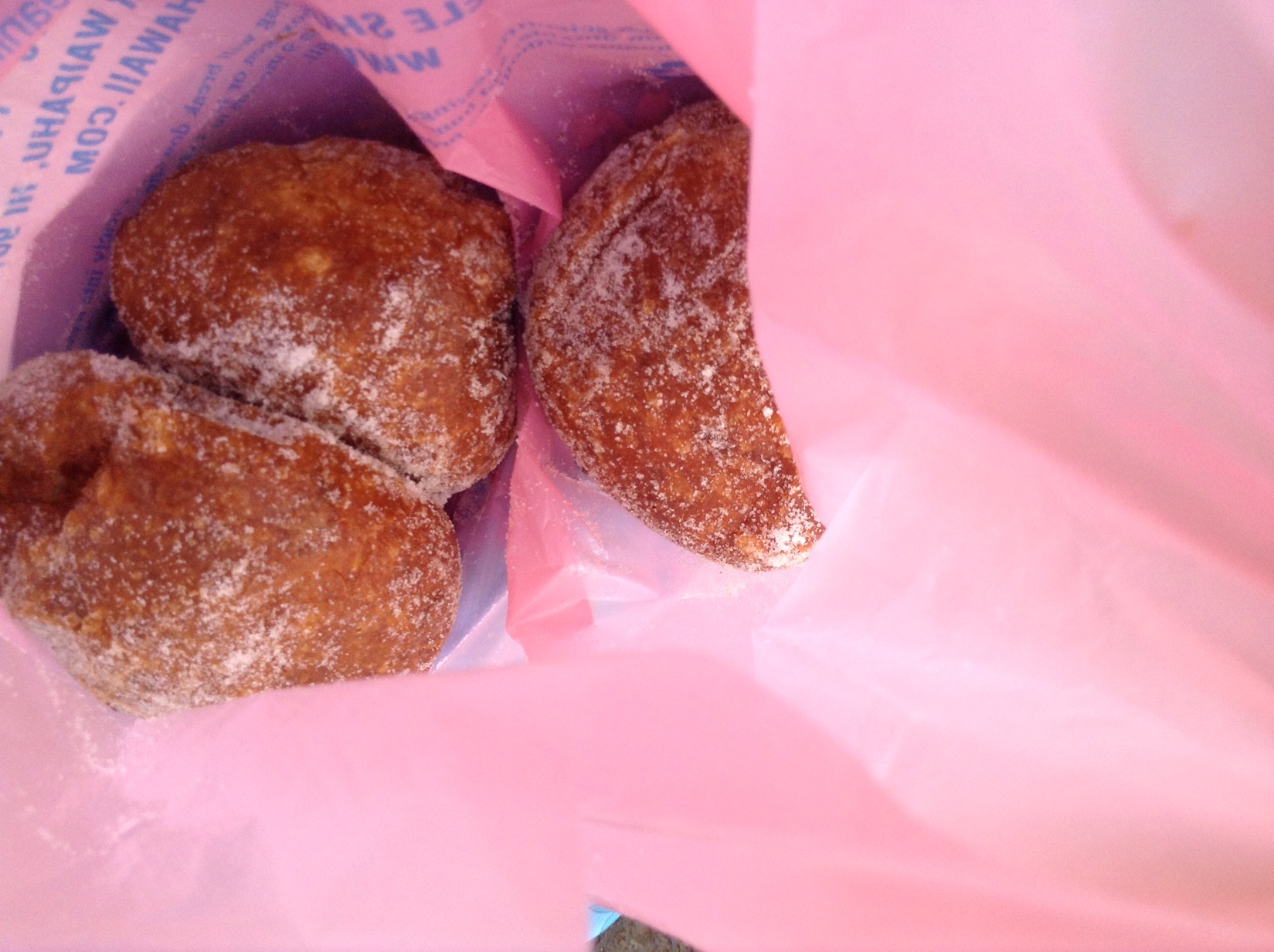
Malasadas,a local favorite brought to Hawaii thanks to the plantation days.
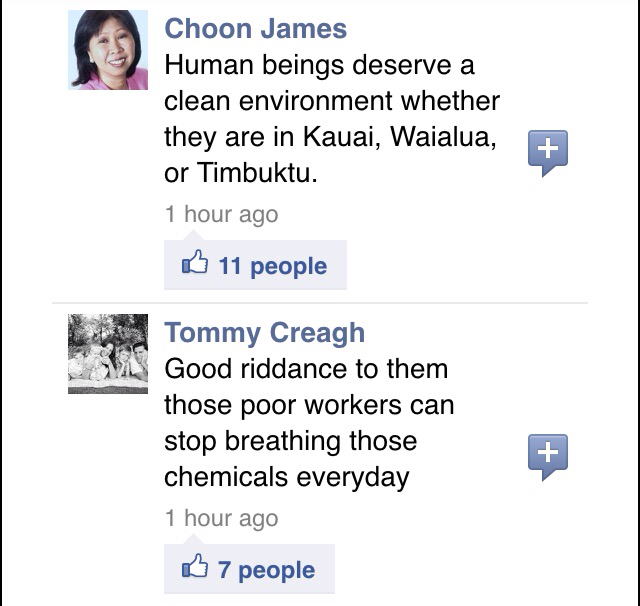
It is of no surprise that the SHAKA Movement activists have decided to change its focus from GMOs and pesticides to another agricultural entity. Hawaii Cane and Sugar is being attacked by the activists with regards to their practices of cane burning. I’ve been seeing some really ugly comments happily hoping to send people who work on these farms back to where they came from. The activists have offered no alternative and show no sense of community in helping those displaced should they get their way.
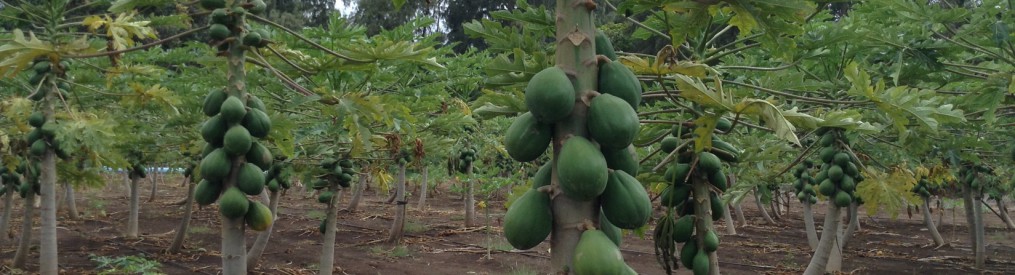
These people show little desire in wanting to understand local culture and the importance of agriculture in Hawaii. If they don’t like it, then it has to go. They do not know the stories of devastation of plant diseases upon papaya farmers or the loss of work when the sugar cane or pineapple fields were shuttered. They never saw old communities suffering from the closures of these farms. They probably don’t even know of anyone who lived through all of this. The sad thing is that these same activists will proudly announce on their car bumper to “Keep the Country Country,” but then attack the people and entities who do keep it that way.
I somehow feel like these activists are creating their own sense of culture, which I see it as the “malama the aina” culture. They talk about how we all have to care for the land but then fail to realize that if you don’t care for the people or educate them, how can they possibly know the best way to do so? It’s a pseudo-culture that tries to take Hawaiian wisdom and mix it with the go green thinking trend. It’s not a really deep culture but one based on social media memes and what’s hip at the moment
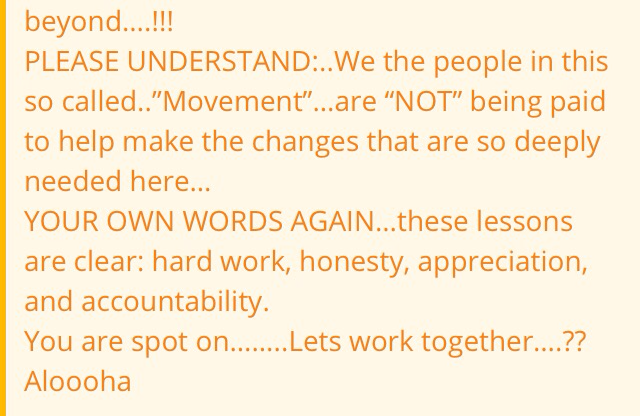
A genuine culture goes much further than opinions and is usually deeply rooted in knowing the history of one’s ancestors. Through learning and sharing of stories about failures and successes, the future generations can have a guiding set of values and expectations that create a strong foundation to move forward with. It is these values that keep people on the right path for their entire life and is easily passed down to the next generation. The simplicity of these lessons are clear: hard work, honesty, appreciation, and accountability. These were lessons learned through life on the plantations. These people also seem to have no respect for hardwork either.
The new natives definitely like to mock plantation life in Hawaii. They’ll say stuff like it was no different than slavery or just a bunch of ignorant people who didn’t know any better. I despise the stuff they say about it because they are clueless in the results of the plantation days. So many people immigrated here with nothing and worked their way up and held high expectations to get their children educated. They obviously had a vision and instilled it in their children. Those kids are now the leaders in our state and well respected professionals. The workers who come here now aren’t any different. Their children are now community contributors as nurses, doctors, and other professionals. The enduring lessons learned from those plantation days live on in so many generations that we sometimes forget our roots.
A huge reminder of those plantation days is usually found on our tables when we sit to eat. Much of the local foods we love is a reflection of our humble roots and our countries our ancestors left. We would have never had the rainbow of flavors if it weren’t for those awful plantation days. Of course we know that the new natives have no appreciation of this and enjoy the native foods of ancient cultures, like quinoa and amaranth. Just looking at what my favorite foods are, it really shows the results of many people from around the world sharing their own culture with one another. Our local foods reflect how agriculture has had a huge influence in Hawaii. If we don’t help to protect it, we chip away at our roots. I personally really love my local style, unlabeled GMOs. It’s pretty obvious that I sure won’t find those haupia (Hawaiian coconut pudding) filled Malasadas (Portuguese donuts) at the Kailua Whole Foods anytime soon.
I’m thankful for those plantation days. If it were for my great grandparents and others for taking that ride across the ocean, we would never had local style. Do you enjoy the rainbow of local foods?

An assortment of poke from Fresh Catch.

Spicy Korean pork plate from Bull Kogi. 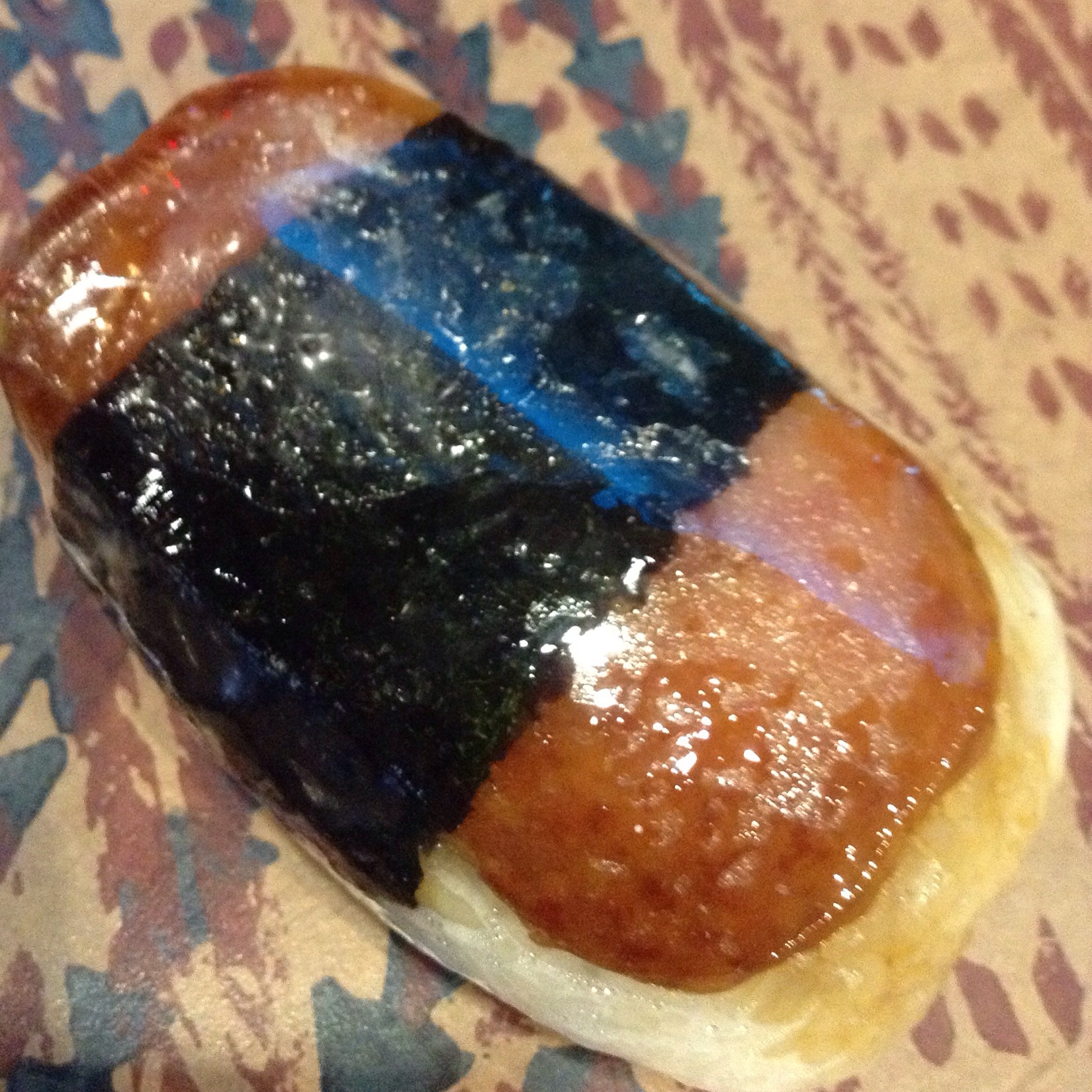
The ultimate local favorite, Spam musubi.

A summer favorite, pickle mango with some ling hi mui seed.

Puerto Rican pasteles from a neighbor.

Okinawan fried soba from Utage Restaurant.

Steamed mochi rice from Happy Days Chinese Restaurant.

Soft and sweet mochi from Nisshodo Mochiya. 
Furikake popcorn found at Longs Drug Store.

Assorted Japanese rice crackers, Chinese preserved seeds, dried seafoods, and other local goodies found at Longs.
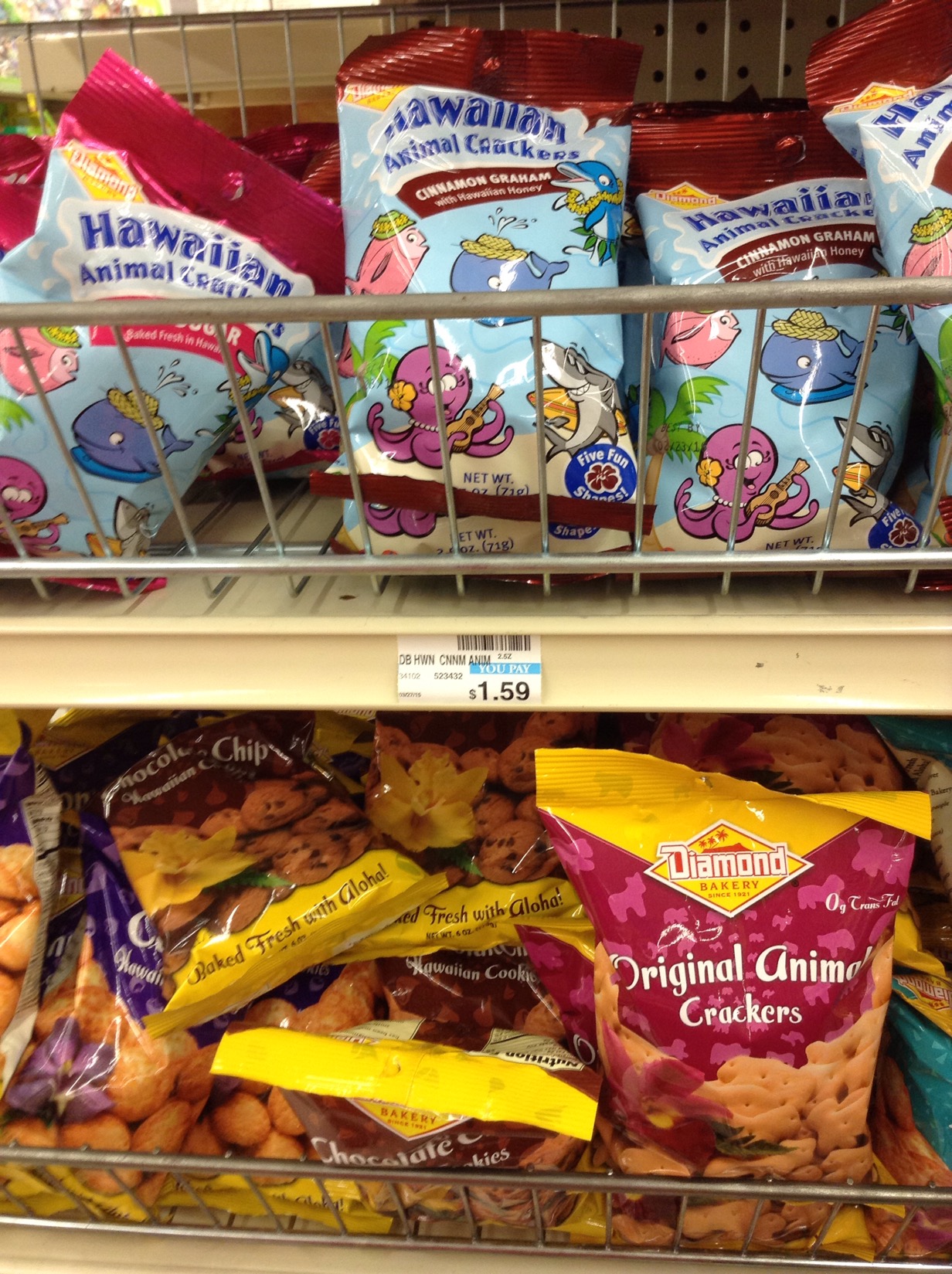
Diamond Bakery cookies and crackers.

Tropilicious sorbets and ice creams in local flavors.

Taro Brand Poi in its famous bags.
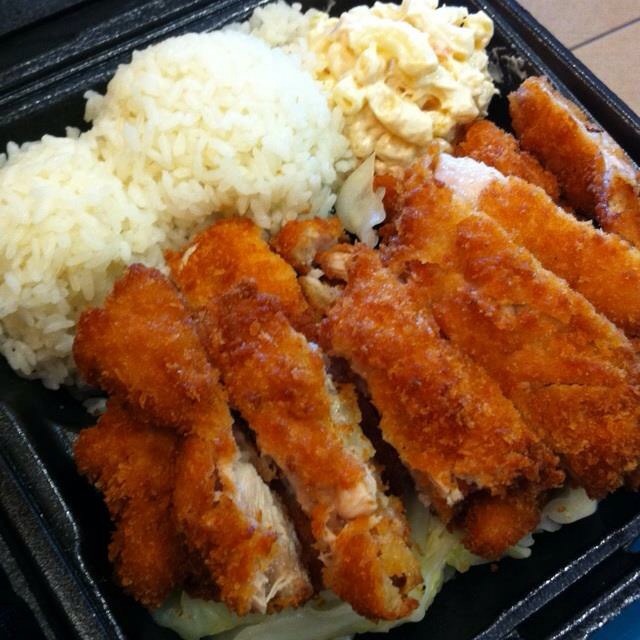
The local favorite, katsu plate lunch.
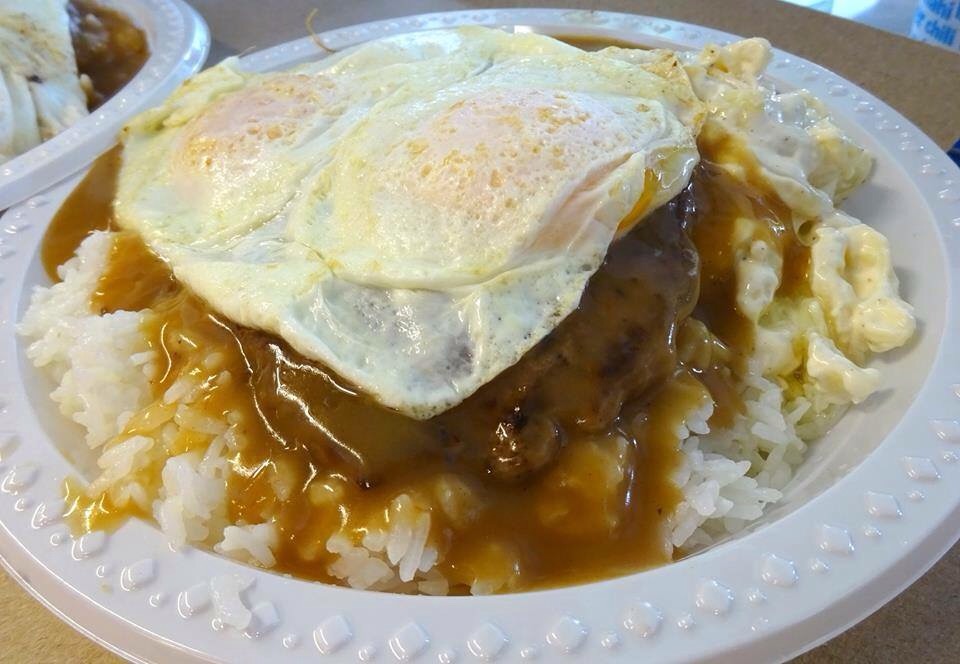
The delicious loco moco plate.
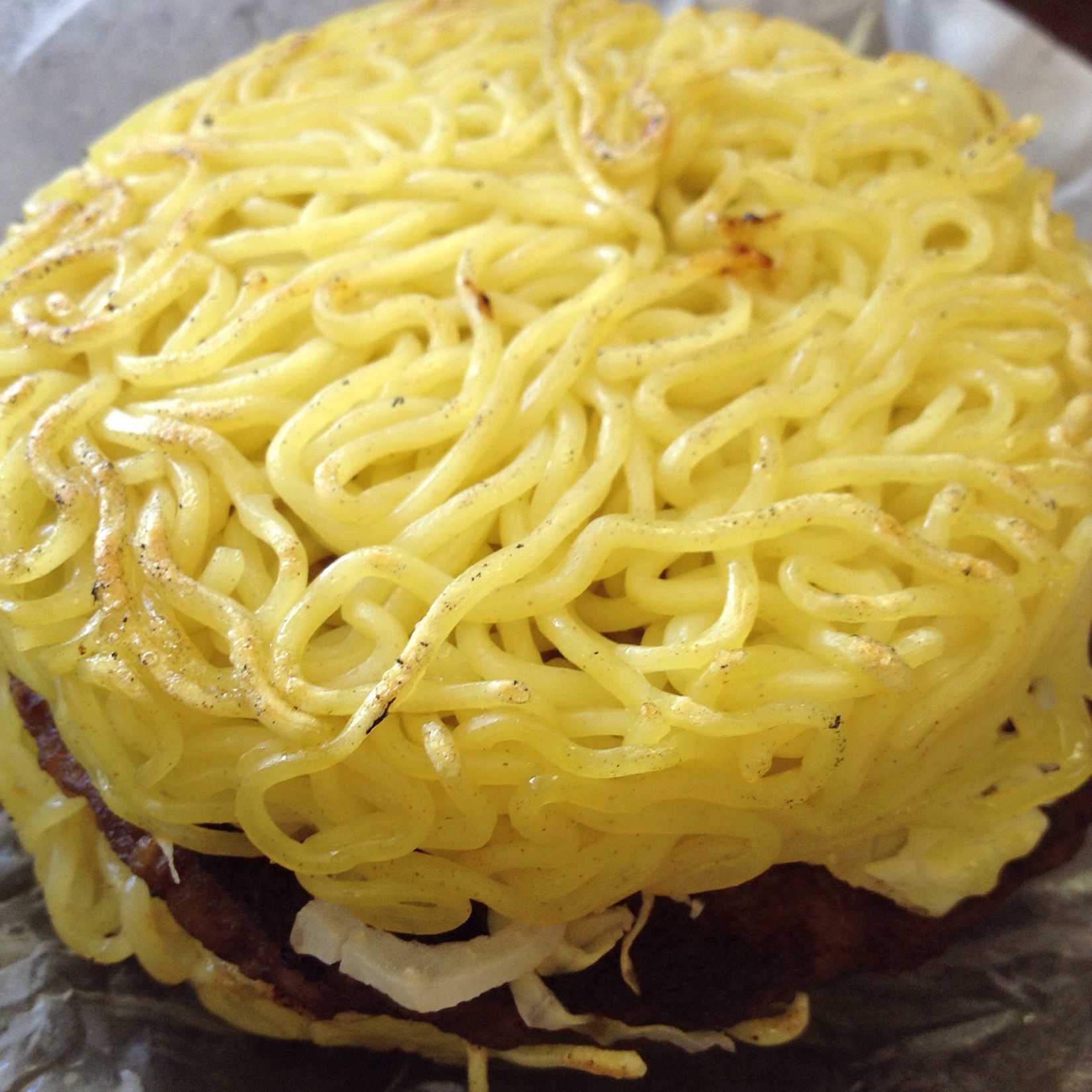
The L&L Drive Inn original saimin burger.
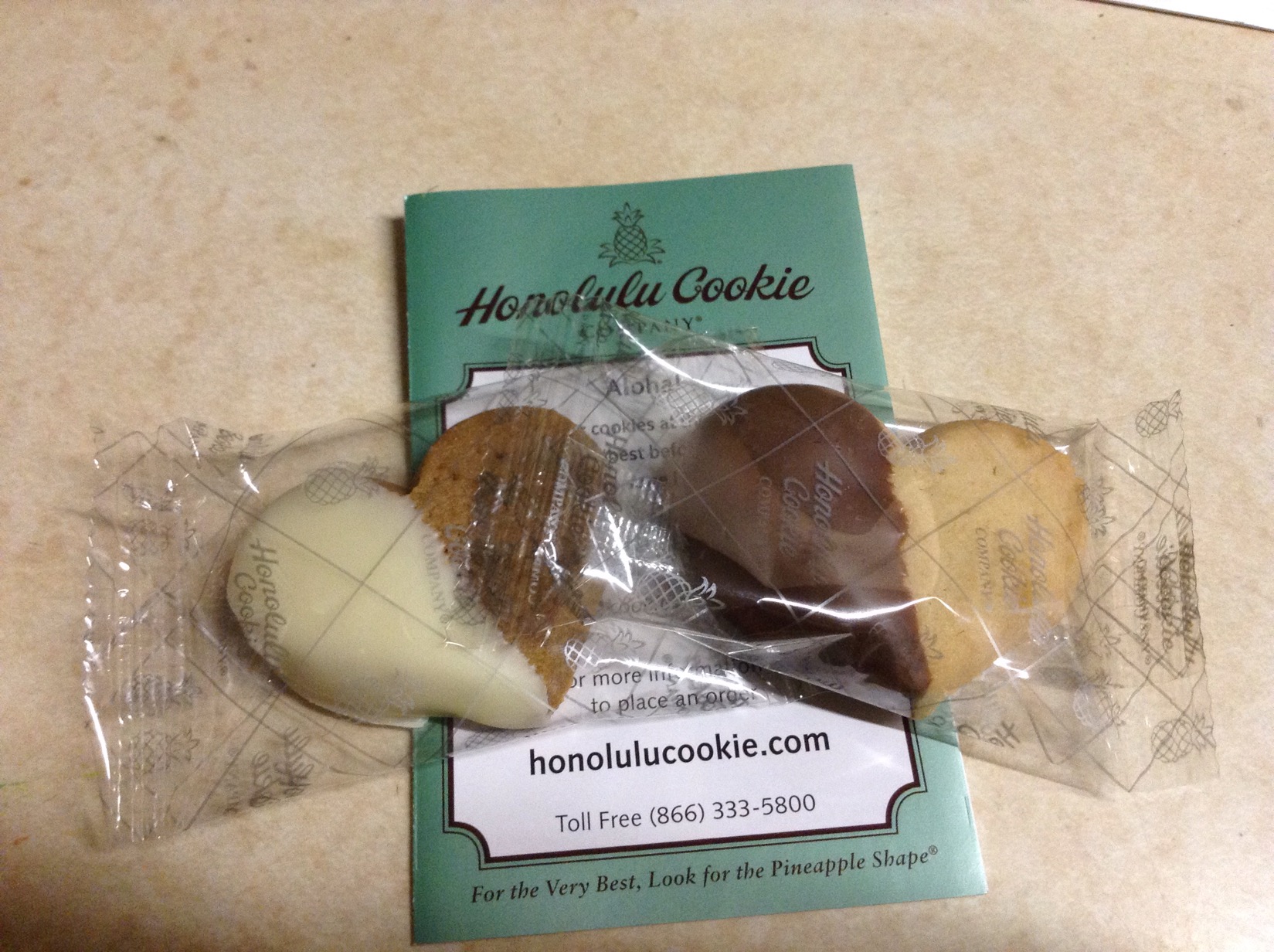
The Honolulu Cookie Company dipped shortbreads.

Yokan, a Japanese bean dessert.

A Japanese teishoku style lunch from Yohei Sushi in Honolulu.

Mochi and manju from Nisshodo Mochiya.

Big Island Candies Crunch Bar made with Mac nuts.
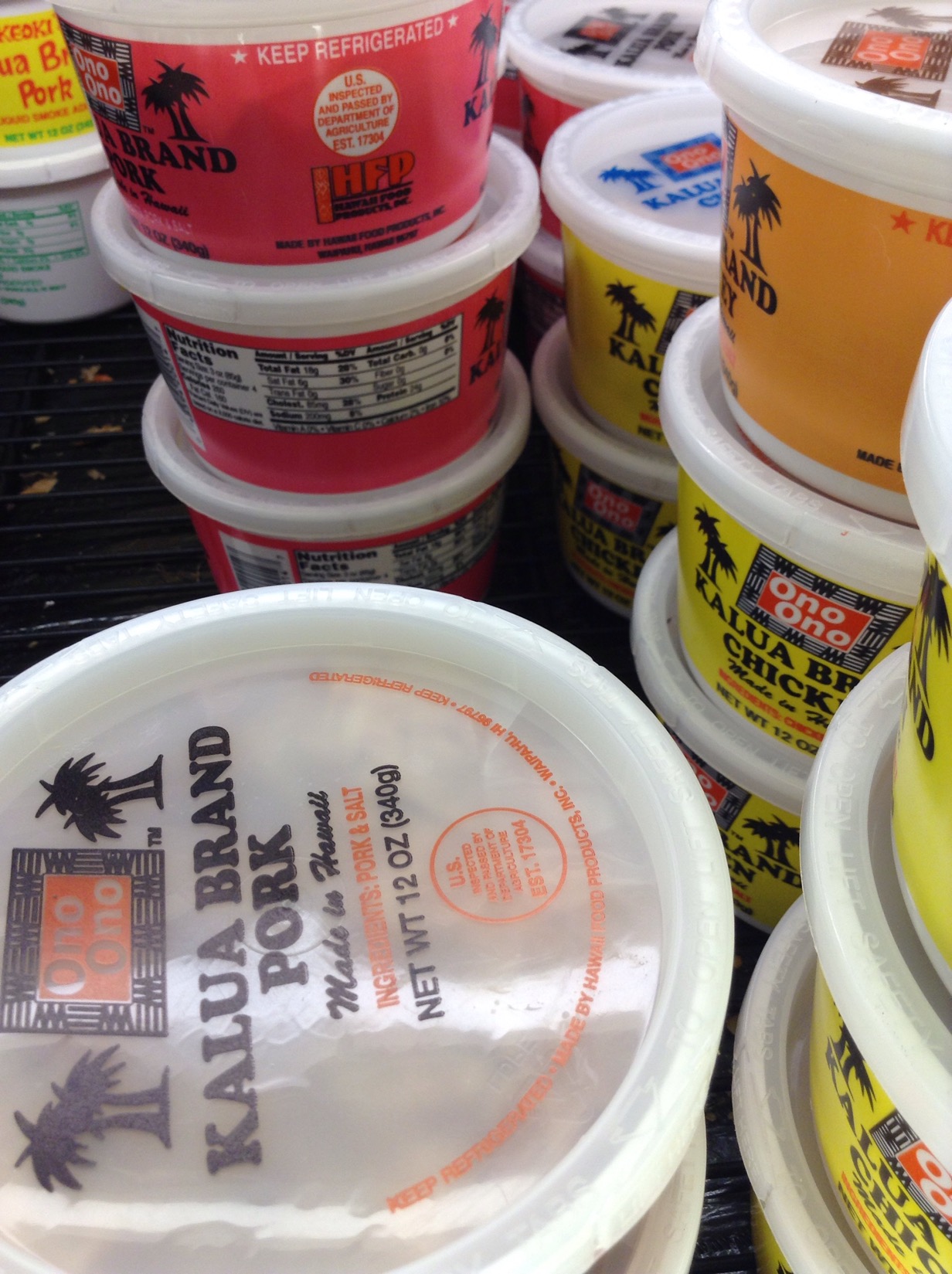
Ono Ono kalua style meats.
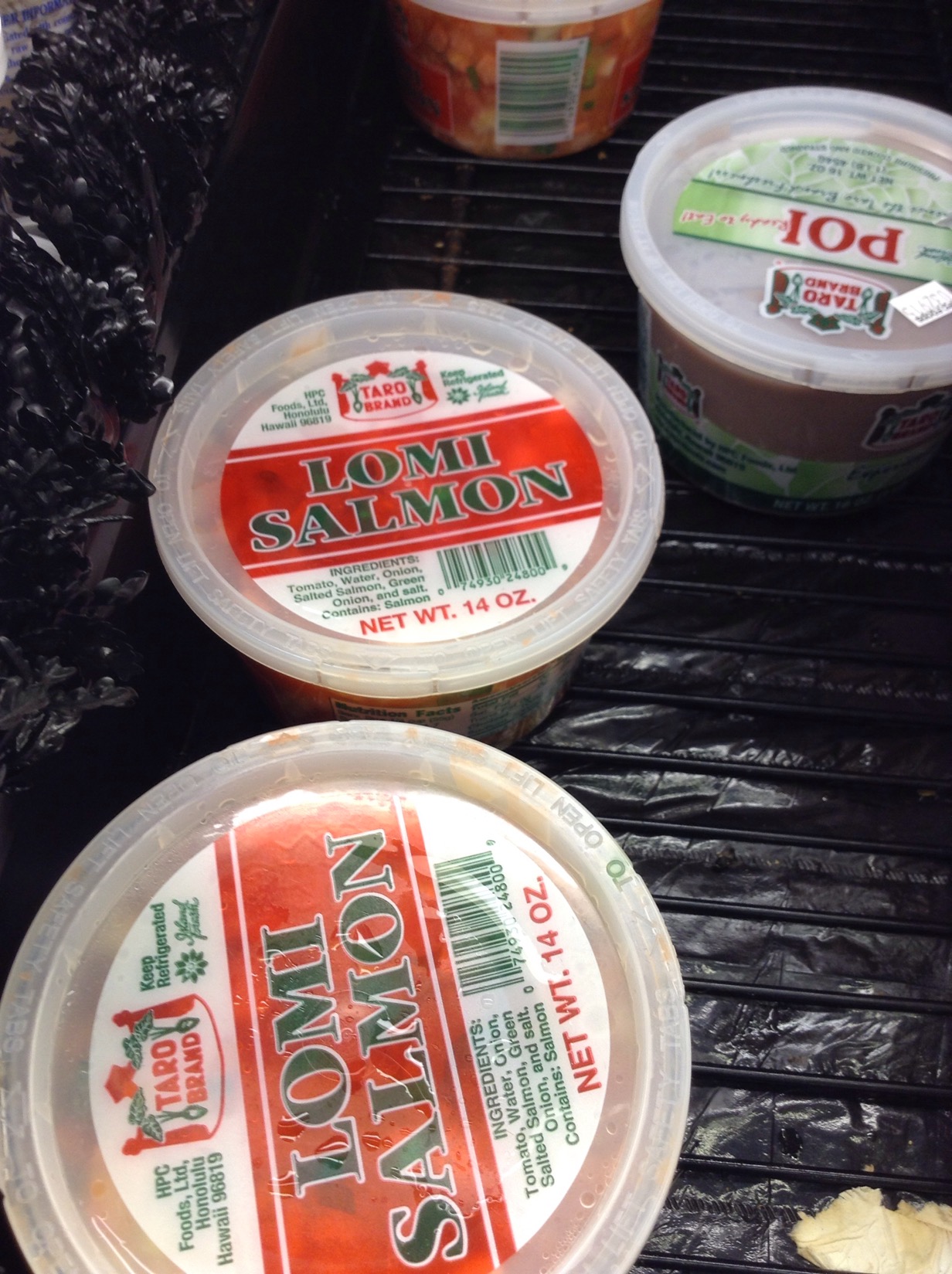
Lomi salmon and poi that’s already prepared.
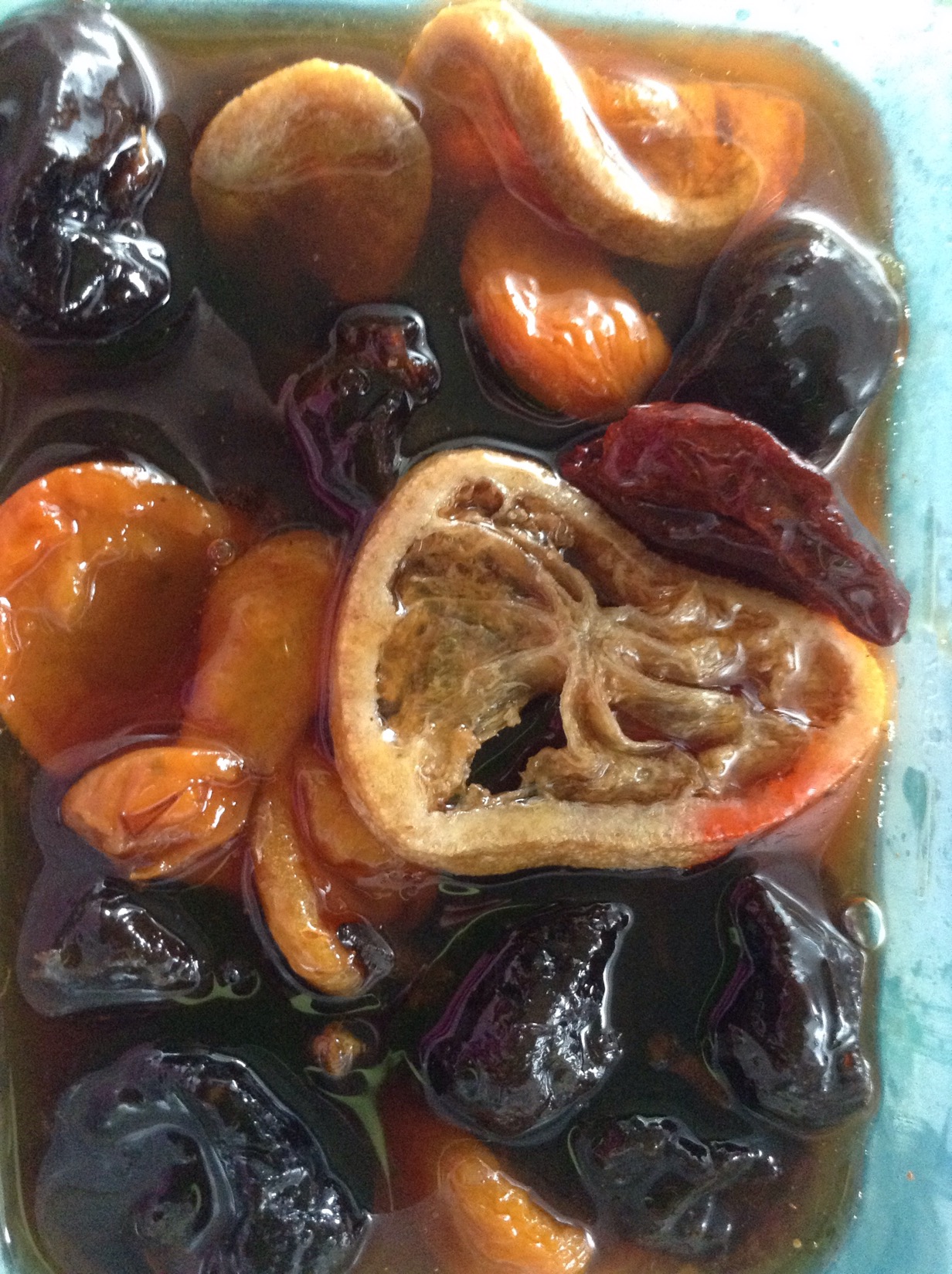
Chinese style prune mui preserves made by my mom.

Deluxe Bakery eclairs from my favorite pastry shop.
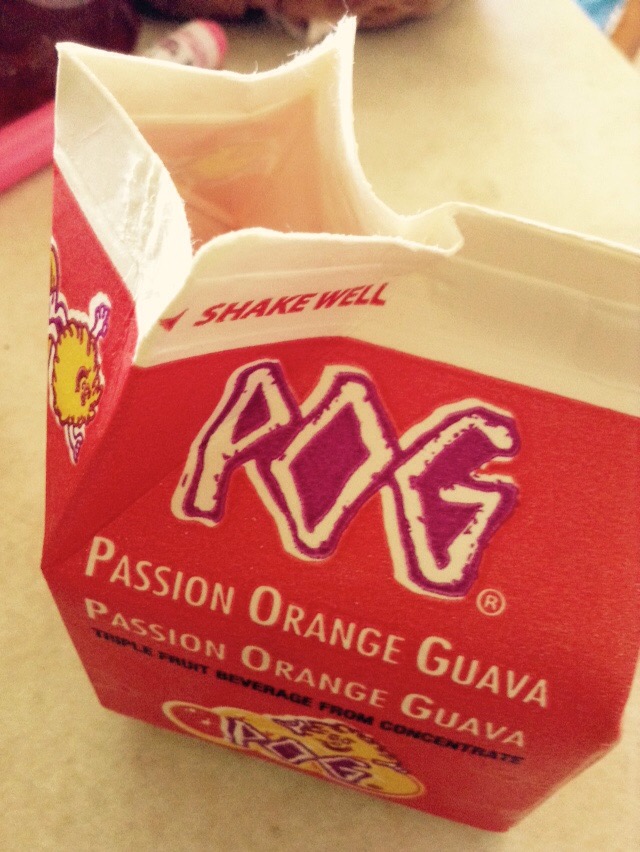
A local favorite, POG, passion fruit, guava, and orange juice.
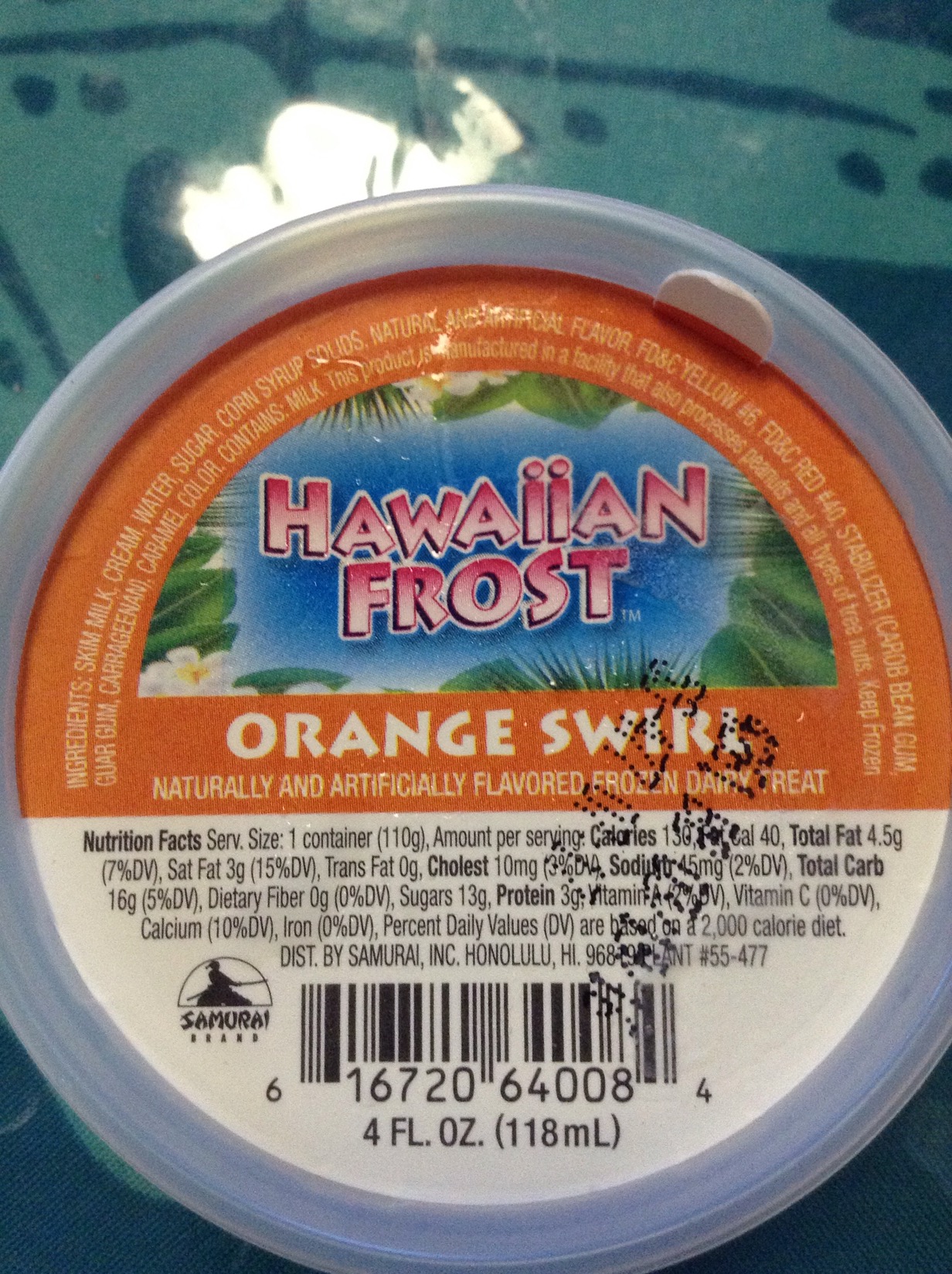
Samurai Hawaiian Frost sherbet bowls.

Halo halo, a Filipino favorite, from Times Supermarket.

Golden Coin, a Filipino food and bakery, taro rolls.

A Hawaiian plate with poi, Okinawan sweet potato, kalua pig and cabbage, lomi salmon, and brown rice.
This is local style. This is reflects Hawaii. This is my roots. If you feel ono for these foods, you’ll know what I mean.
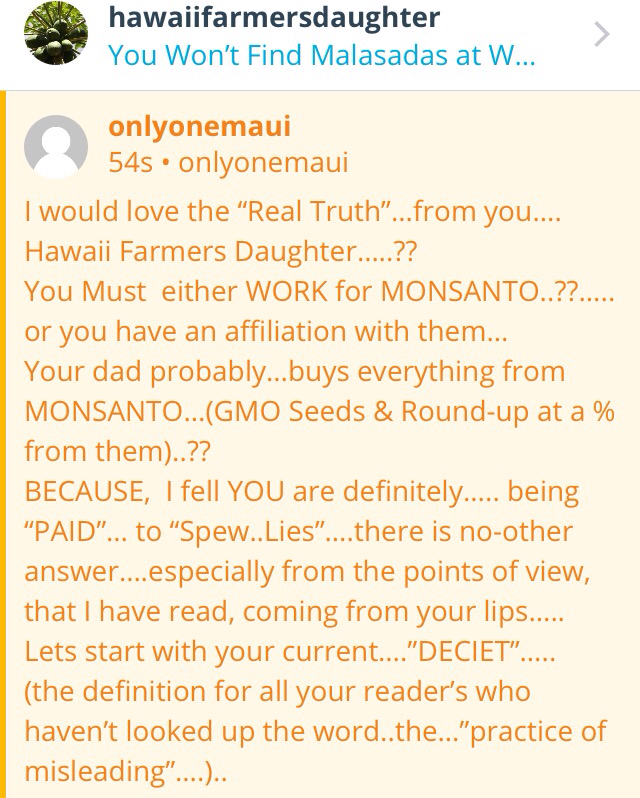
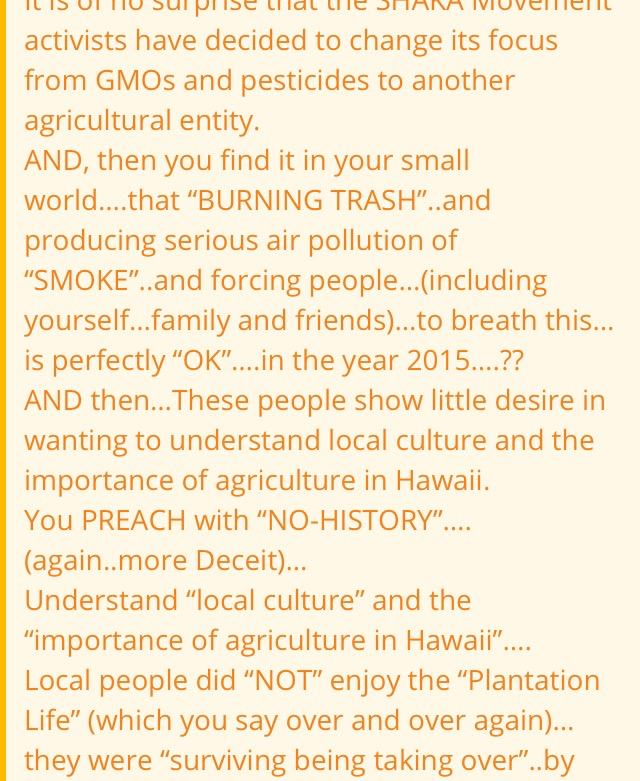
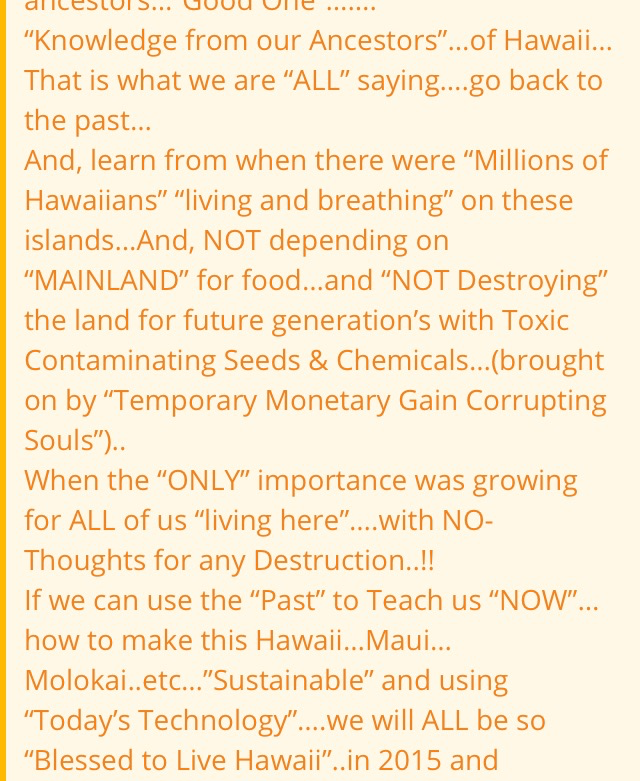
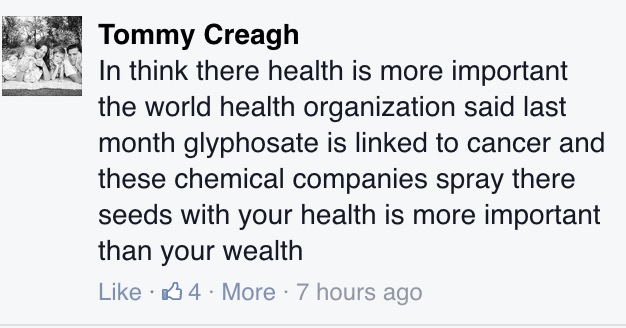
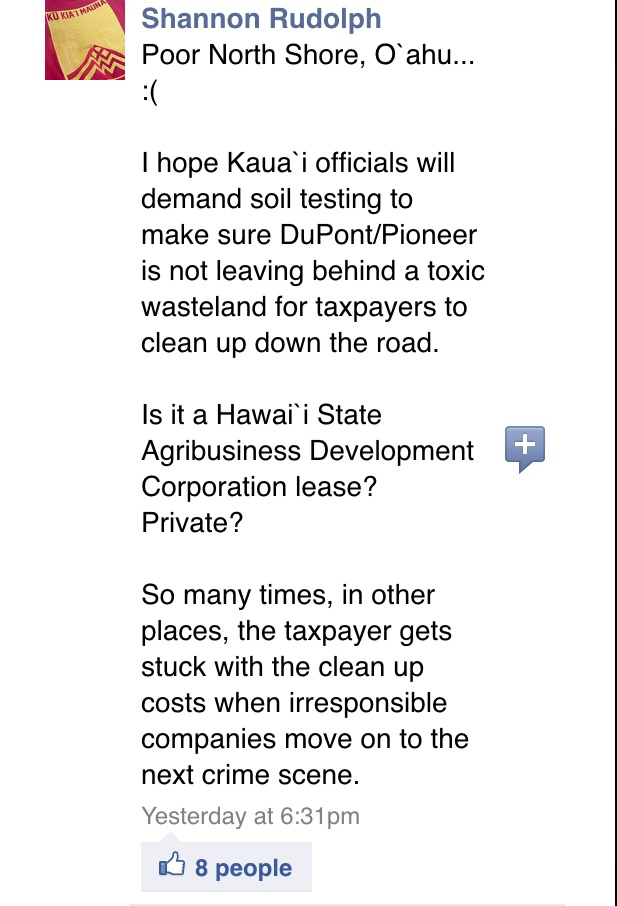
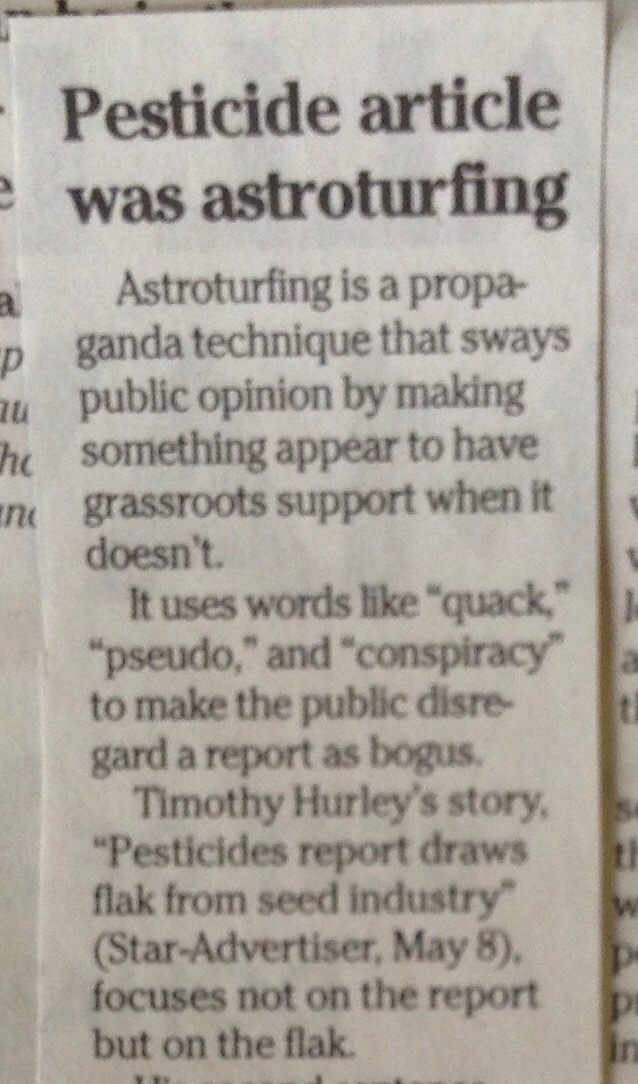
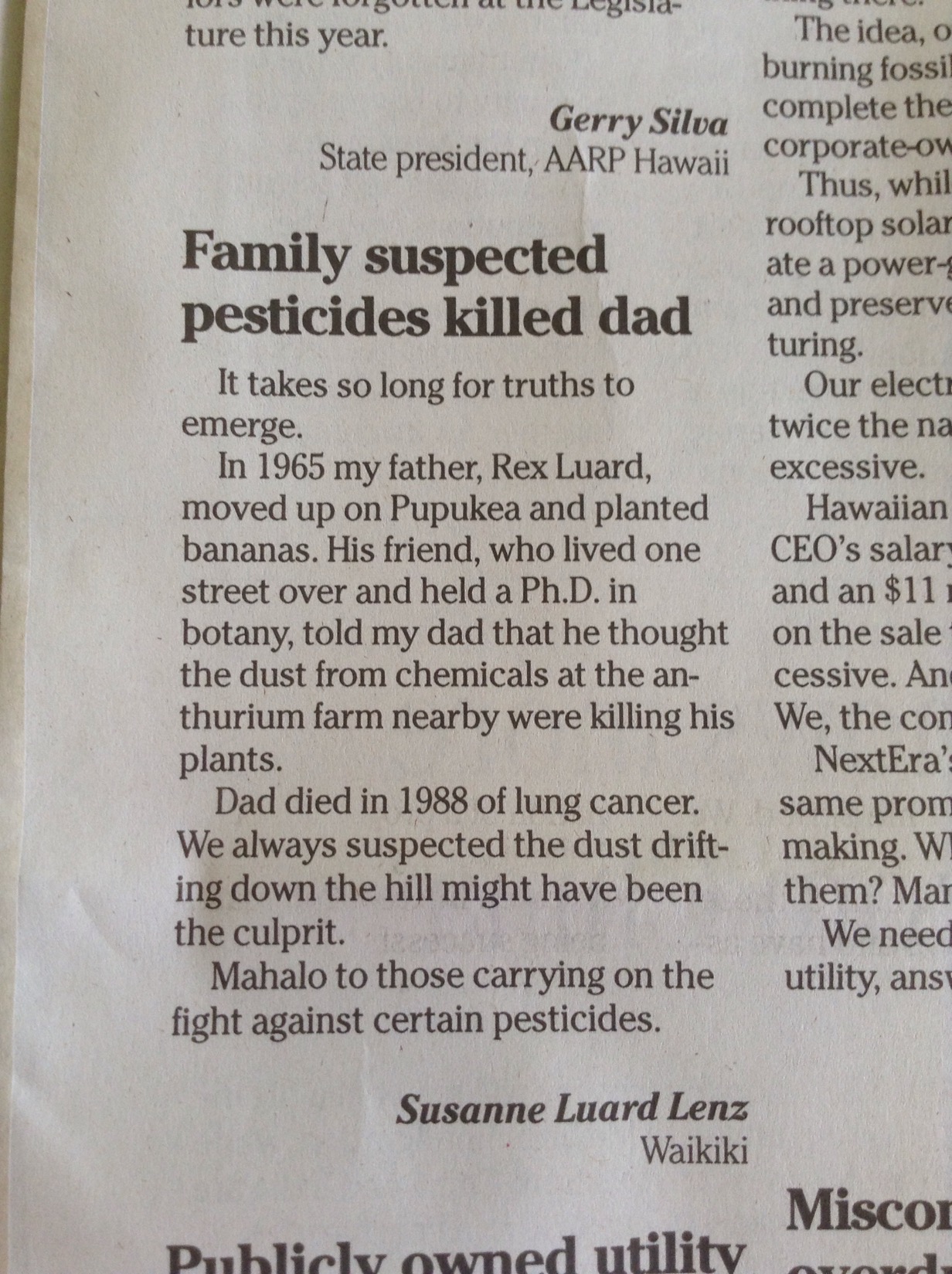
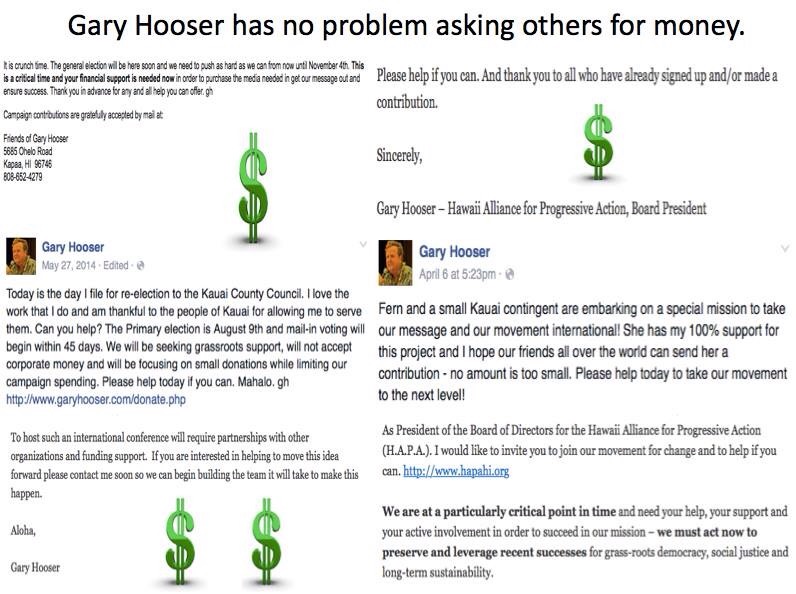
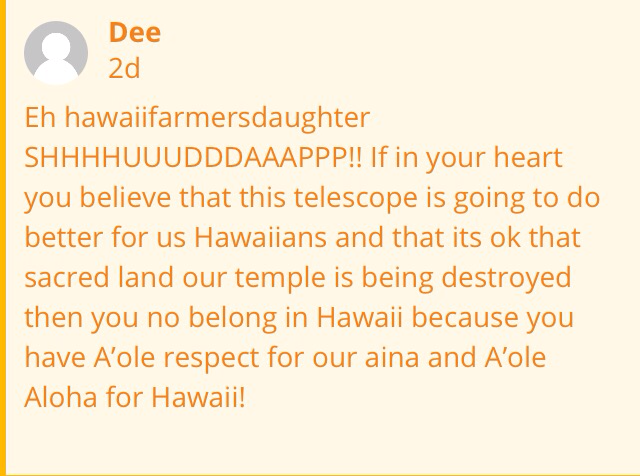
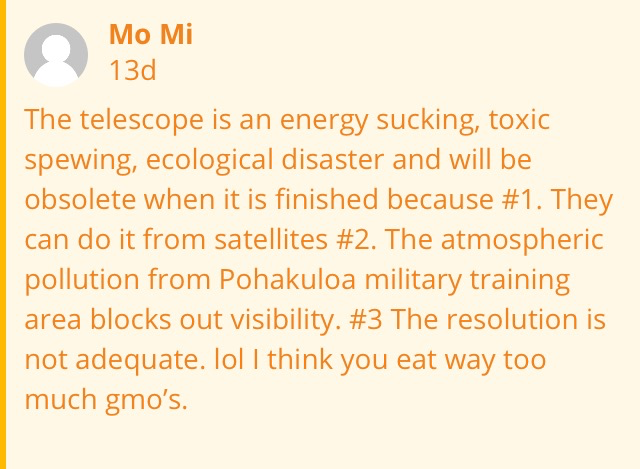
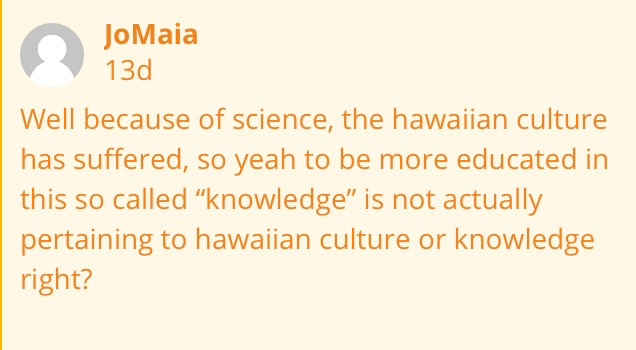
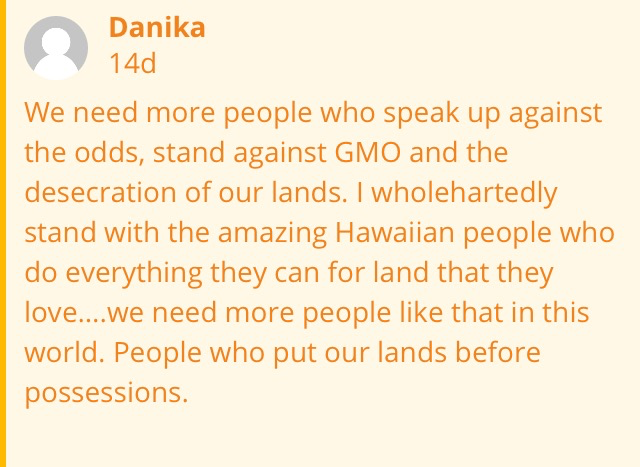
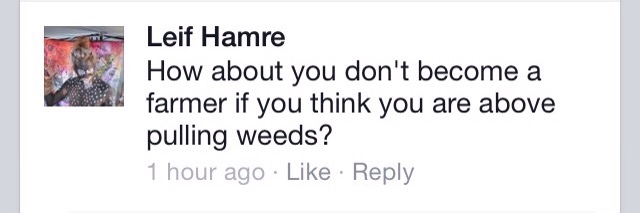
**And these people prove my point again.**













 HawaiiFarmersDaughter